How To Stage A Water Mill Estate For Buyers
June 18, 2026
June 18, 2026
Wondering how to make a Water Mill estate stand out in a market where buyers often scroll through dozens of listings before they ever book a showing? In a place where homes are large, private, and priced in the multi-million-dollar range, staging is not a cosmetic extra. It is part of how you present the home’s value, lifestyle, and design intent from the very first impression. If you are preparing to sell in Water Mill, this guide will help you focus on the staging choices that matter most. Let’s dive in.
Water Mill is a premium market where presentation carries real weight. As of May 31, 2026, Zillow estimated a typical home value at $4,717,148, while Realtor.com reported a median for-sale price of $7.40 million and a median 144 days on market. Those numbers point to a high-end market where buyers take their time and expect quality at every step.
That expectation starts online. According to the National Association of Realtors 2025 staging survey, 83% of buyer’s agents said staging made it easier for buyers to visualize a property as a future home. The same report found that buyers often compare about 20 homes virtually and 8 in person before making a purchase, which means your listing needs to photograph beautifully before a buyer ever arrives.
In Water Mill, that matters even more because many estates are set back from narrow country roads and screened by mature trees and vegetation. The Town of Southampton describes the hamlet as primarily agricultural and residential, with many large homes tucked behind landscaping. That means buyers are often judging not just the house itself, but the entire sense of arrival.
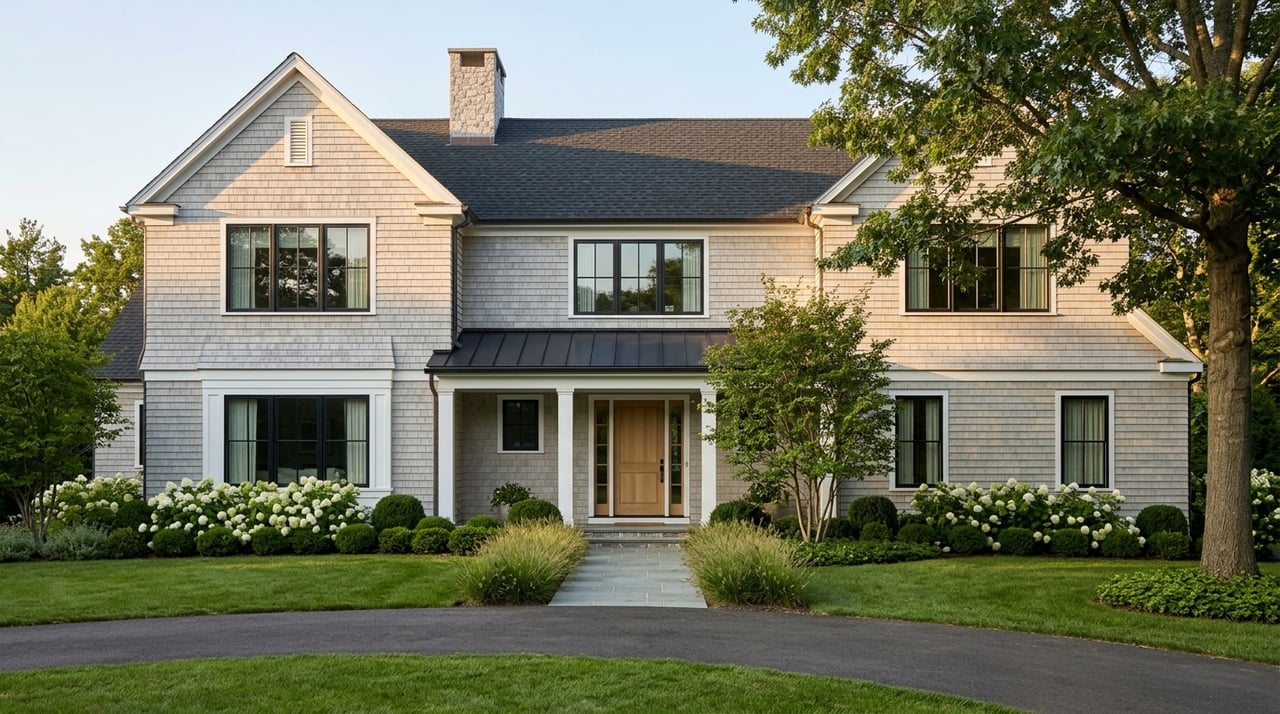
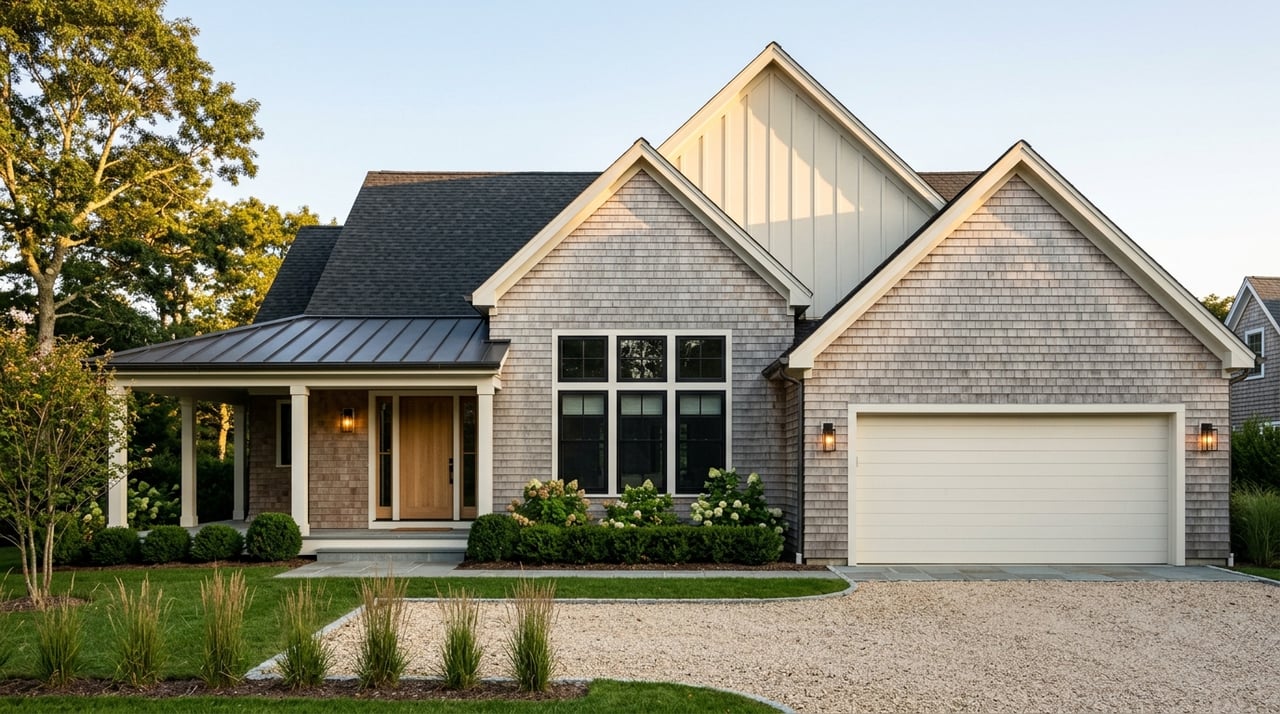
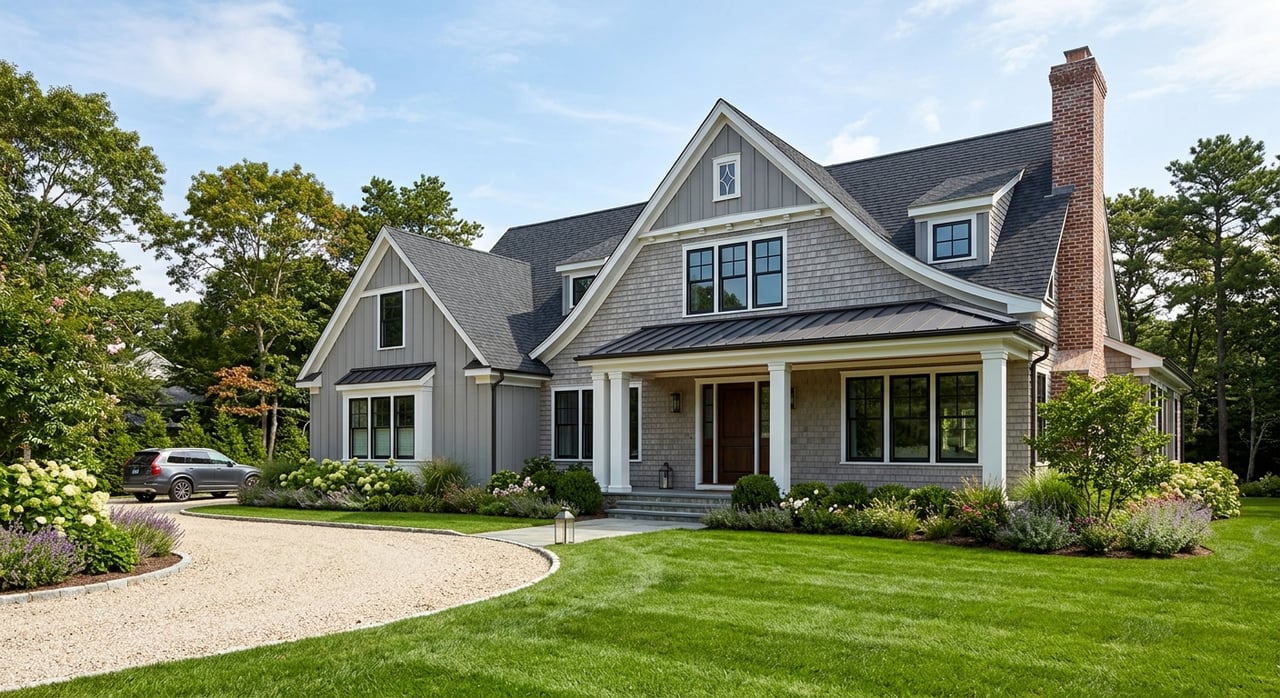
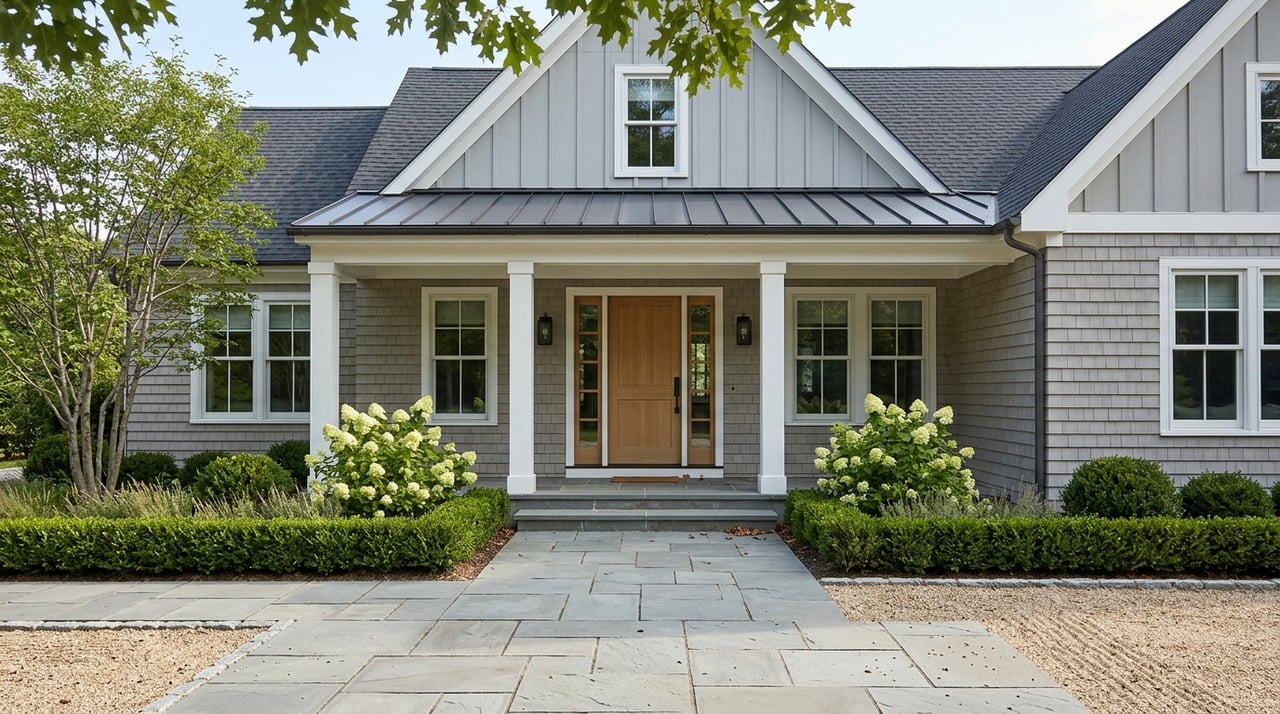
In many neighborhoods, curb appeal means what a buyer sees from the street. In Water Mill, the first impression often begins at the driveway and continues all the way to the front entry. If your home sits back from the road, the approach becomes part of the showing experience.
Think of the exterior as a sequence. Buyers may notice the gate, drive, front walk, lighting, roofline, windows, and then the first glimpses of outdoor living spaces. Each element should feel clean, intentional, and well maintained.
Focus on simple improvements that create a polished look without feeling overdone:
The goal is not to make the property feel staged in an obvious way. The goal is to make the estate feel calm, cared for, and ready.
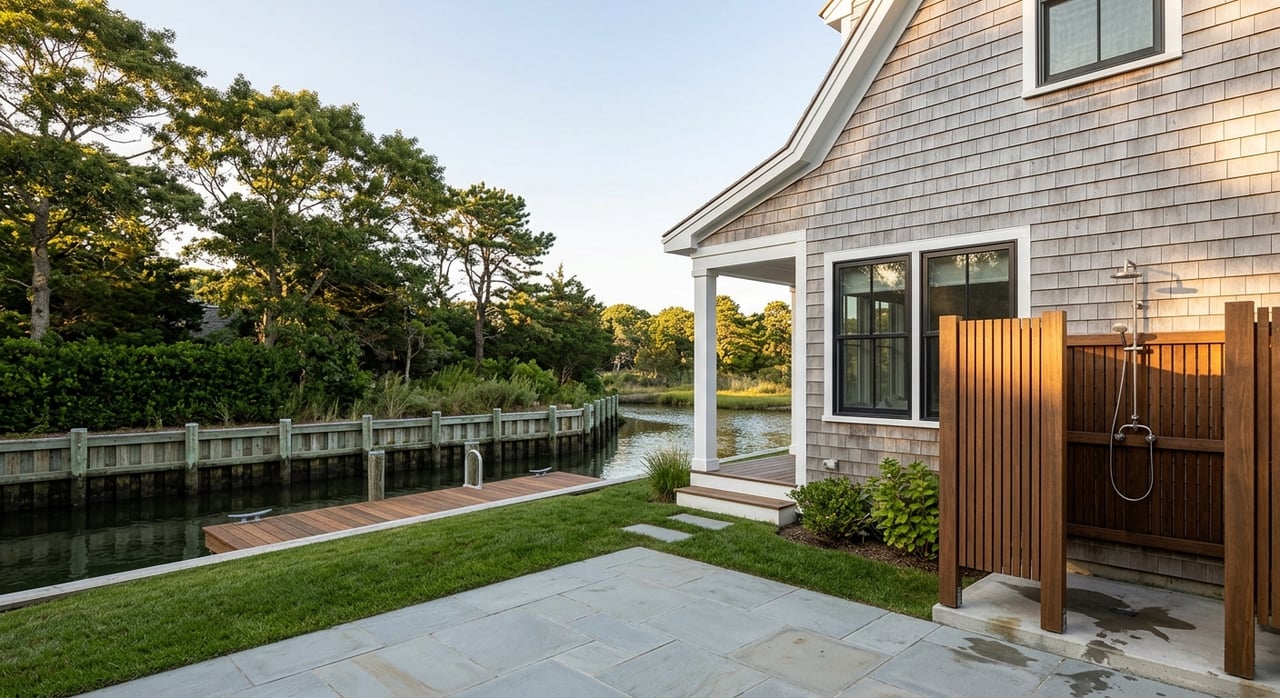
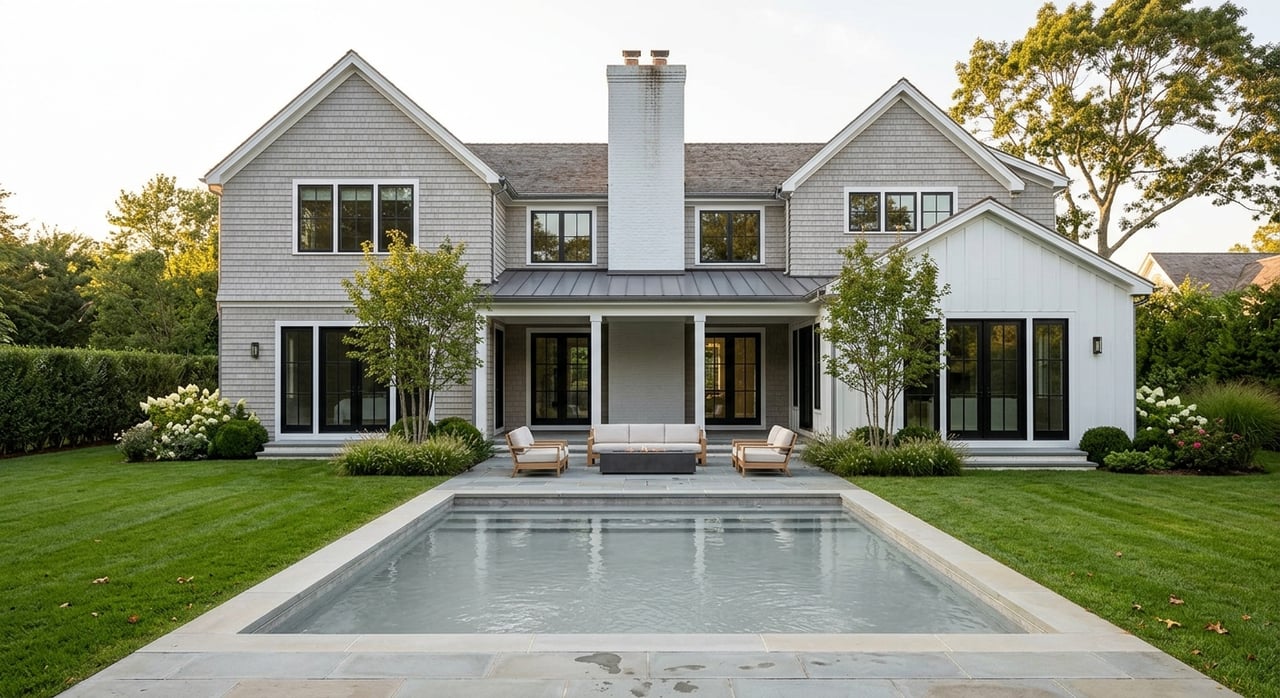
Outdoor areas are a major part of the value story in a Water Mill estate. Patios, porches, lawns, pool surrounds, and dining terraces should not feel like afterthoughts. They should read as usable, inviting living areas that extend the home.
NAR’s 2025 report supports that approach. Nearly half of sellers’ agents said they staged outdoor or yard space, and buyers’ agents ranked outdoor areas among the spaces that matter to buyers. In a market like Water Mill, that makes exterior staging a core part of the marketing plan.
Start by defining how each area is meant to be used. A terrace should look ready for conversation, a dining area should feel easy to imagine for summer meals, and a pool area should feel open and uncluttered. You do not need to overcrowd these spaces with furniture. In fact, a restrained setup often works better in luxury homes because it highlights scale and flow.
If you are staging selectively, focus first on the rooms that carry the most weight with buyers. NAR’s 2025 survey found that buyers’ agents ranked the living room as the most important room to stage, followed by the primary bedroom and kitchen. Those are the spaces where staging can have the biggest impact.
The same survey found that the most commonly staged rooms were the living room, primary bedroom, dining room, and kitchen. Guest bedrooms and children’s rooms were staged far less often, which suggests they are lower priority if you are balancing time, budget, or both.
For most Water Mill estates, I would think about the interior in two layers. First, fully stage the high-impact rooms. Then edit the rest of the home so everything feels consistent, fresh, and easy to understand.
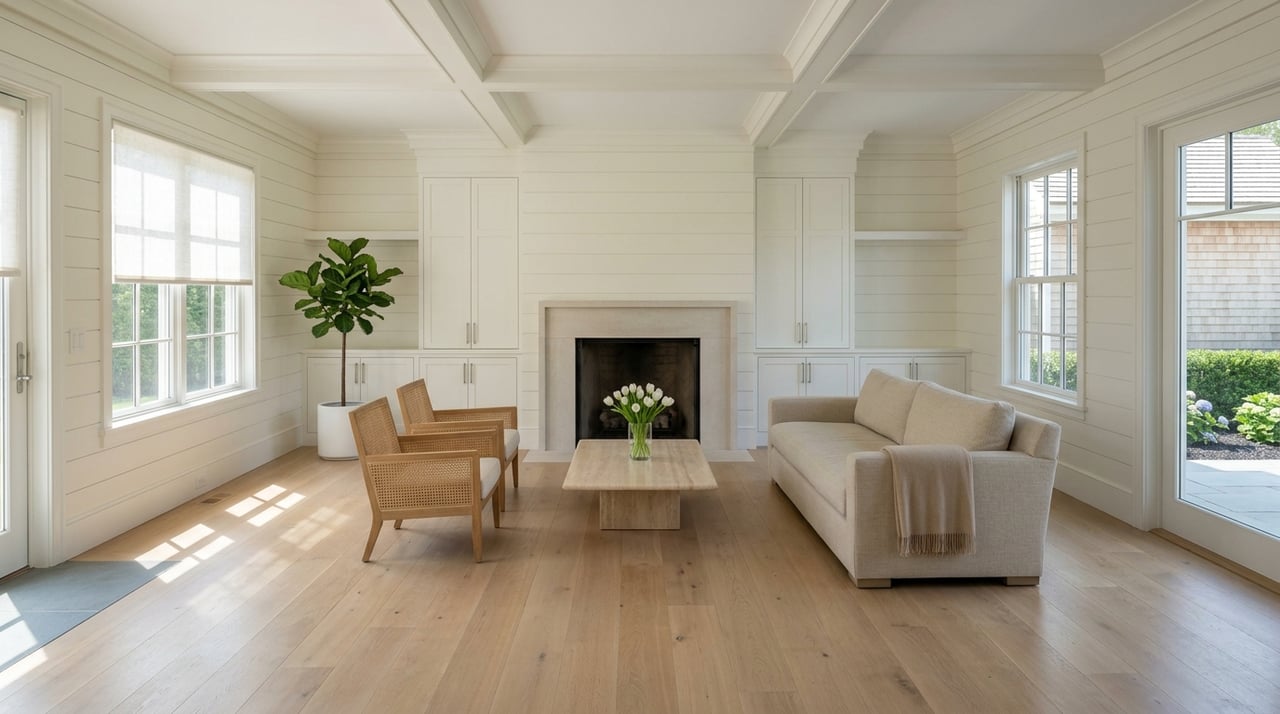
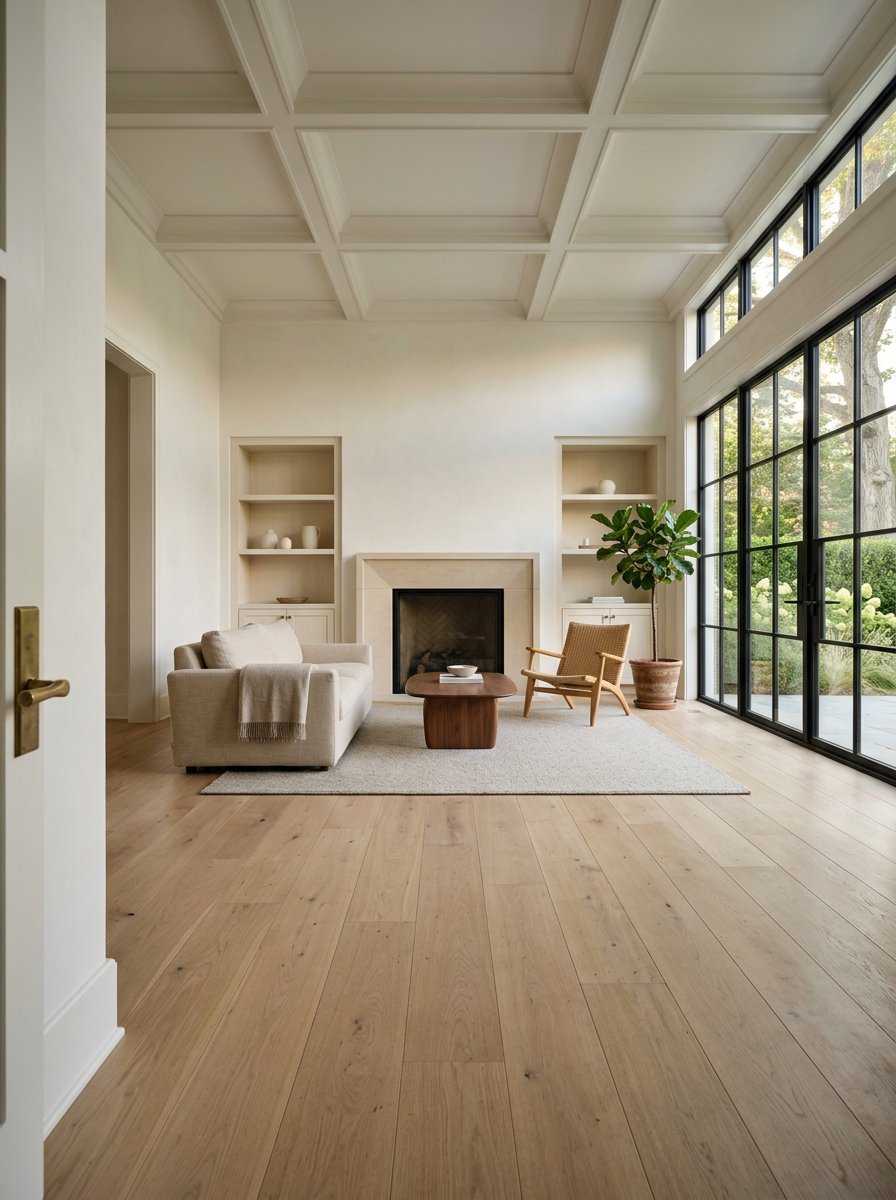
The living room often sets the emotional tone for the home. In a large estate, it should feel grounded and welcoming rather than oversized or sparse. Use furniture placement to create conversation areas and show how the room lives.
Keep accessories minimal and avoid too many small items. Buyers should notice volume, light, and architectural details first. A calm arrangement helps them understand the scale of the room without distraction.
The primary bedroom should feel restful and private. This is not the place for bold color, heavy personalization, or visual clutter. Crisp bedding, balanced nightstands, and a restrained palette usually help the room feel more serene.
If the room is especially large, staging can also help it feel intentional. A seating area or simple bench can show proportion and help buyers read the space more clearly.
In a luxury property, the kitchen should feel polished and functional. Clear counters as much as possible and keep decorative items limited. A few carefully chosen accents usually work better than a fully styled countertop.
The point is to show quality, not fill space. Buyers should be able to focus on cabinetry, finishes, layout, and natural light.
The dining room does not need heavy styling to make an impression. A simple table setting and balanced chairs are usually enough to define the room. In homes with open layouts, this also helps buyers understand how the main spaces connect.
Water Mill has a design-aware identity, and the Parrish Art Museum adds to that sense of place. For staging, that supports a refined and understated look rather than one that feels busy or trend-driven. In many cases, less is more.
A strong Water Mill staging plan usually includes:
This approach helps the home feel larger, brighter, and more composed. It also tends to translate well across photography, video, and in-person showings.
Vacant luxury homes can be surprisingly hard to sell well. According to NAR, empty interiors can create a poor first impression and may make rooms seem smaller than they are. That is especially true in estates with open spaces, high ceilings, or oversized rooms.
Even light staging can make a difference. A few well-scaled furnishings, along with simple accents like pillows, plants, or tabletop pieces, can help buyers understand scale and use. In most cases, a lightly furnished room is more effective than a blank one.
This does not mean every room needs full installation. It means the key spaces should help buyers picture how the home lives.
Staging is only part of the job. The marketing materials need to reflect that work clearly and consistently. NAR’s 2025 survey found that buyers’ agents rated photos as the most important listing media, ahead of physical staging, videos, and virtual tours.
That is why staging should be complete before the first photo shoot. If furniture, styling, or landscaping is still changing while photography begins, the final listing can feel uneven. Buyers notice when still photos, video, and virtual tours do not tell the same visual story.
For a Water Mill estate, the launch sequence should usually look like this:
In a patient, high-value market, timing matters. A strong first launch is usually more effective than rushing to market before the home is fully ready.
Water Mill buyers are not just comparing square footage. They are comparing atmosphere, finish, privacy, and how a property makes them feel. In a market where many homes are in the seven-figure range and above, the standard is higher.
That is also why staging should feel tailored to the property rather than generic. A traditional shingled estate, a transitional new build, and a renovated compound may each need a different visual approach. What stays consistent is the goal: present the home as a luxury product with a clear point of view.
Before you list, use this quick checklist to keep the process focused:
Done well, staging helps your home feel easier to understand and more memorable to buyers. In Water Mill, where privacy, design, and presentation all shape perceived value, that can make a meaningful difference.
If you are preparing to sell a Water Mill estate, I can help you position it with the level of presentation and marketing the market expects. To request a private consultation or instant home valuation, connect with Geoff Gifkins.
Stay up to date on the latest real estate trends.
Etiam non quam lacus suspendisse faucibus interdum. Orci ac auctor augue mauris augue neque. Bibendum at varius vel pharetra. Viverra orci sagittis eu volutpat.