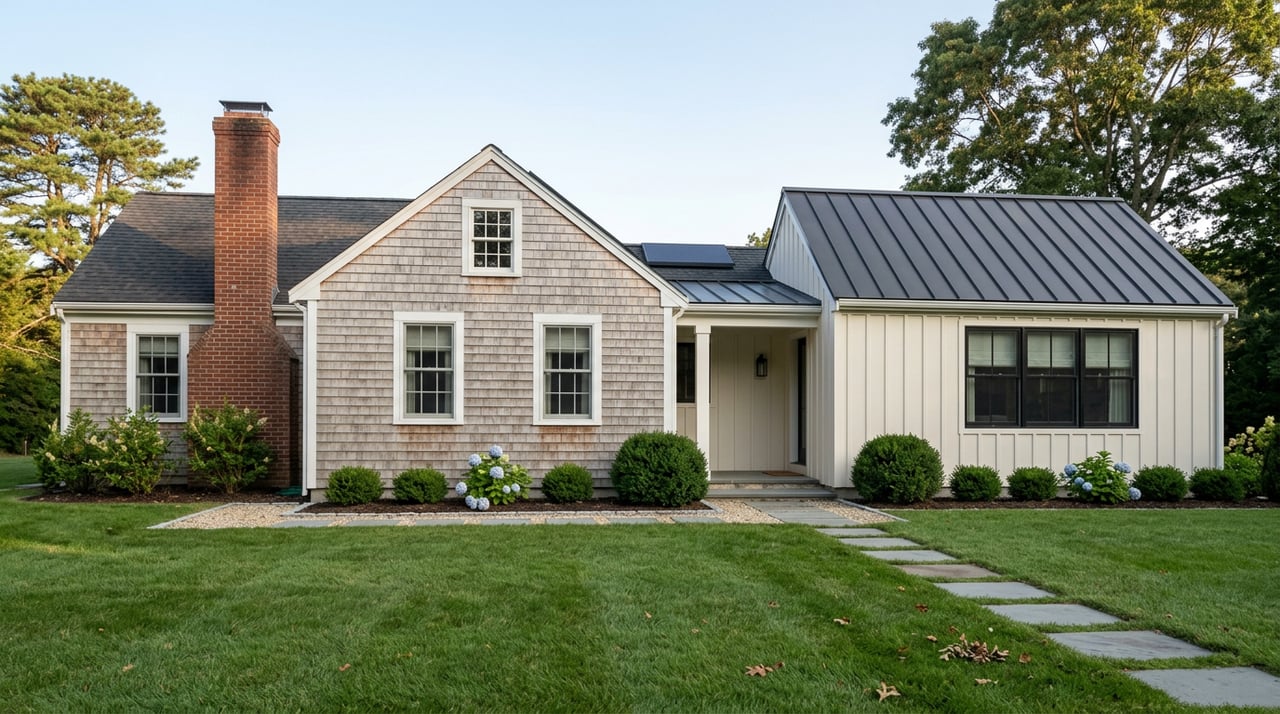
Southampton New Construction vs Historic Homes: Key Tradeoffs
March 5, 2026
March 5, 2026
Torn between a turnkey Hamptons new build and a storied historic home in Southampton? You are not alone. Each path offers real advantages and tradeoffs, from permitting timelines to septic rules, energy incentives, and long-term resale. In this guide, you will get a clear, local comparison so you can choose with confidence and protect your investment. Let’s dive in.
Southampton sits within the Hamptons luxury market, where both modern new construction and character-filled historic properties draw attention. Recent reporting shows the Hamptons reached record median sale prices in late 2025, with strong activity across price tiers. You can see this trend in the latest Elliman report prepared by Miller Samuel, which notes a Q4 median above $2 million and higher medians in top submarkets, including Southampton Village. Review the data in the Hamptons Q4 2025 market report as you frame value and timing.
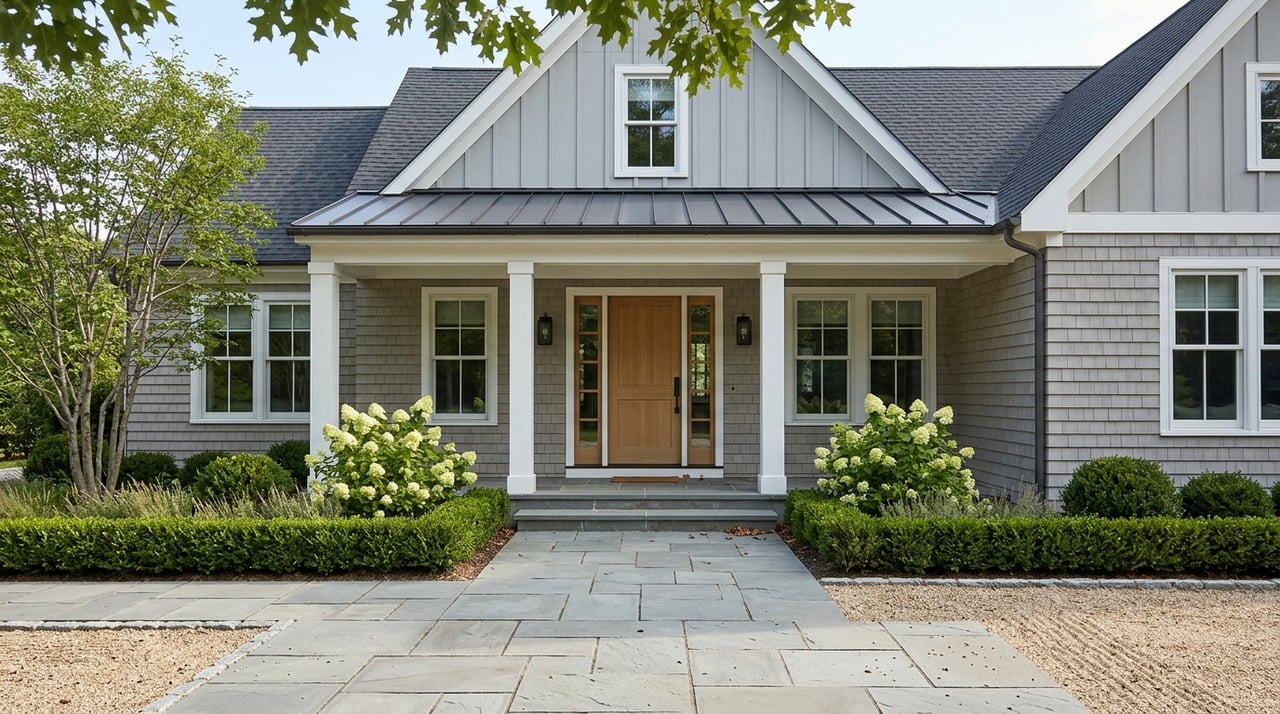
New builds deliver modern systems, current code compliance, and a tight building envelope. That usually means fewer near-term repairs and predictable ownership in the first years. Mechanical systems are often under warranty, and designs tend to include today’s living patterns like open kitchens, ensuite bedrooms, and generous mudroom storage.
New construction often comes wired for large electrical loads, EV charging, and whole-home Wi-Fi. Heat-pump HVAC, high-performance windows, and insulation are common. If you plan to stack clean-energy incentives, new builds are easy to document and spec for rebates and credits. For details on current programs, review NYSERDA’s summary of Inflation Reduction Act incentives for homeowners.
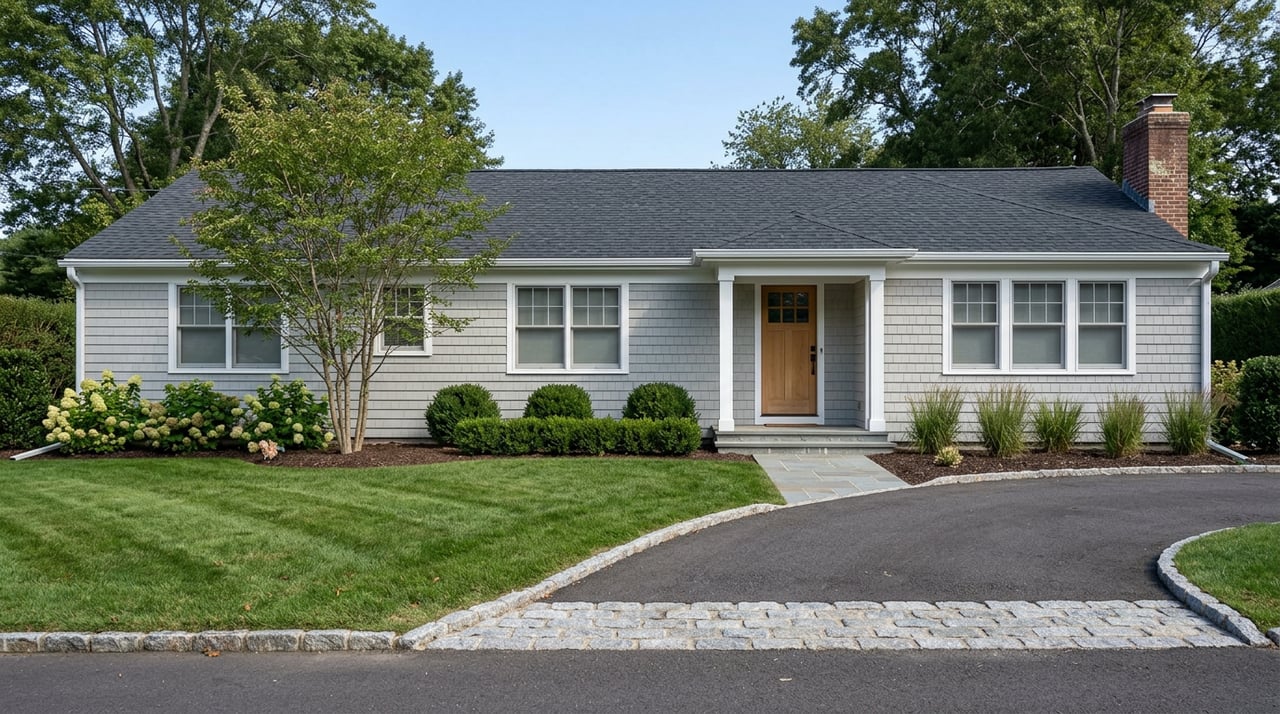
Historic houses can offer design depth, craftsmanship, and notable provenance. Some sit in prime locations that are difficult to replicate. In Southampton, specific districts and landmarks carry prestige, but they also come with rules on exterior change.
Older structures often need more frequent upkeep for roofs, windows, siding, and masonry, plus targeted upgrades for electrical, plumbing, and HVAC. The National Park Service provides practical guidance for improving efficiency while respecting historic fabric. If you are evaluating an older home, review the NPS overview on sustainability and energy efficiency in historic buildings to plan sensitive upgrades.
With careful planning, you can improve comfort and performance without harming character. Think storm windows, air sealing that does not trap moisture, and reversible measures first. Larger interventions are possible, but they must align with local preservation rules if the home is designated.
If a property is a Town landmark or within a designated historic district, exterior alterations, new construction that affects the resource, and demolition require a Certificate of Appropriateness. The Town’s Landmarks & Historic Districts Board evaluates proposals against the Secretary of the Interior’s Standards and can approve, condition, or deny applications. Read the Town’s code summary for the certificate process and criteria in the Landmarks and Historic Districts section.
Inside the Village, projects in historic districts or involving designated resources go before the Board of Architectural Review and Historic Preservation. This is a separate review step from Town procedures and covers design approval before a building permit is issued. Demolition has specific restrictions and procedures. Review the Village code for the Board of Architectural Review and Historic Preservation so you understand timing and submittals.
Historic reviews can add weeks for small exterior changes and months for larger rehabilitations, especially if design iterations or hearings are needed. Ordinary maintenance is often exempt from a certificate, but visible changes are not. Build in time for pre-application meetings, design documentation, and possible conditions on materials or window patterns.
In much of Southampton and Suffolk County, substantial renovations and new builds trigger requirements for nitrogen-reducing Innovative/Alternative Onsite Wastewater Treatment Systems. The Town and County offer rebates and financing, but applications, inspections, and certifications take time. Start early and plan staging around approvals. See the Town’s overview and FAQs on septic requirements and rebates. You can also understand how the Town funds water-quality initiatives via the Community Preservation Fund program page.
Coastal parcels and low-lying sites must comply with FEMA floodplain rules. For homes in Special Flood Hazard Areas, elevation, foundation type, and floodproofing details affect both design and insurance. Always run the property address on FEMA’s Flood Map Service Center and, if applicable, request an elevation certificate and insurance quotes before you commit.
Heat pumps, electrical panel upgrades, solar, and insulation can qualify for federal tax credits and New York State programs. Documentation matters, especially for product IDs and commissioning details. Review the NYSERDA guide to IRA-era homeowner incentives and plan your scope around eligible equipment.
The federal 20 percent rehabilitation tax credit typically applies to certified rehabilitations of income-producing historic properties, not most owner-occupied single-family homes. If you plan to rent or convert a property to an income use, consult the NPS program rules before you start work. Read the NPS overview on historic tax incentives to avoid surprises.
Both well-executed historic renovations and high-quality new builds attract buyers in Southampton’s luxury market. Value still depends on location, condition, and regulatory exposure, such as flood zones or preservation overlays. The Q4 2025 market report confirms record-level medians and active demand across the middle and luxury tiers, which supports both product types when they are positioned and maintained well. Use the Hamptons Q4 2025 market report to benchmark comps for your segment.
Ask yourself what you value most in the next five to ten years.
Either way, prioritize site-specific risks like septic compliance and flood exposure that can swing cost and timeline.
Whether you lean new or historic, the best results come from focusing on site, systems, and approvals before you fall in love with finishes. I help you map those variables up front, price risk into your offer, and position your home for long-term value in the Hamptons market. If you are weighing options in Southampton, let’s talk about a plan tailored to your goals. Connect with Geoff Gifkins for a private consultation.
Stay up to date on the latest real estate trends.
Etiam non quam lacus suspendisse faucibus interdum. Orci ac auctor augue mauris augue neque. Bibendum at varius vel pharetra. Viverra orci sagittis eu volutpat.