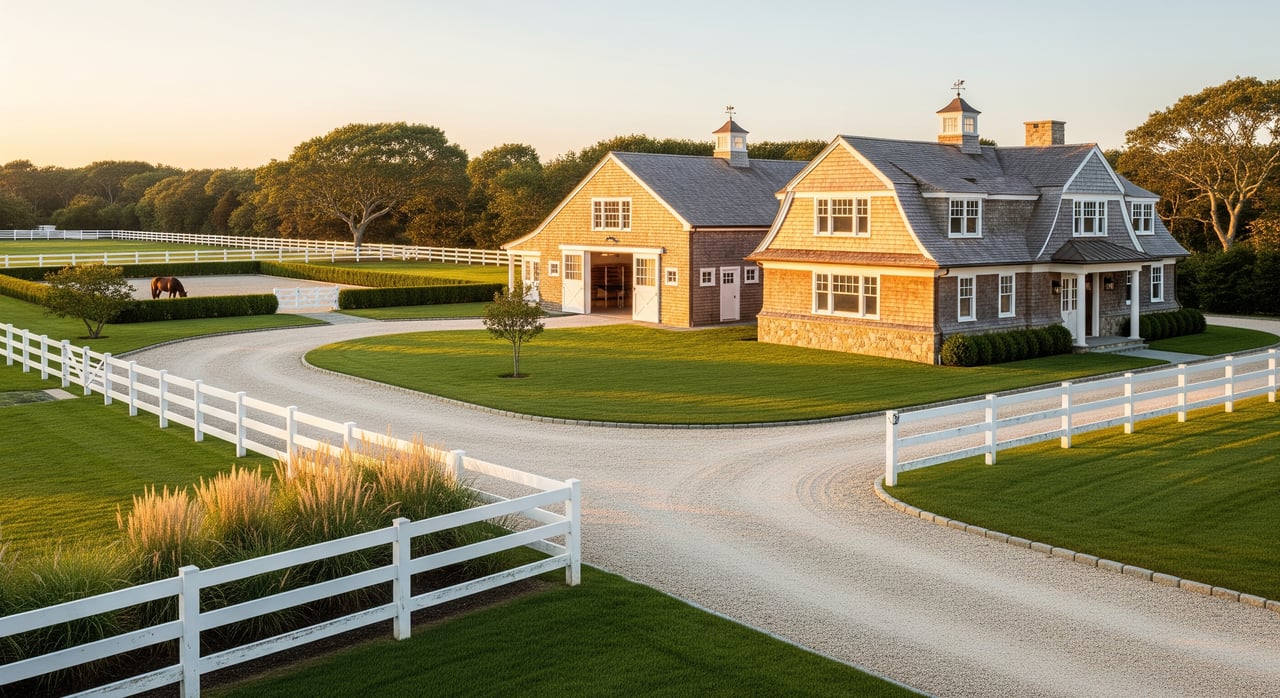
Bridgehampton Equestrian Properties: What Buyers Should Know
January 8, 2026
January 8, 2026
Thinking about a horse-ready estate in Bridgehampton but not sure where to start? You are not alone. Buying an equestrian property here means balancing barns and arenas with luxury living, while navigating zoning, septic rules, and seasonal show activity. In this guide, you will learn what to look for, which rules matter, and who to engage so you can move forward with confidence. Let’s dive in.
Bridgehampton sits in the Town of Southampton on the South Fork of Long Island, with access via road and the LIRR’s Montauk Branch at Bridgehampton station. Proximity to East Hampton and Sag Harbor supports trainers, veterinarians, farriers, and regular supply runs. You get a strong service network with the privacy and acreage that horse properties demand.
The Hampton Classic Horse Show, held annually in Bridgehampton, anchors the local hunter and jumper scene. It draws trainers, vendors, and competitors, which increases seasonal demand for boarding, transport, and staffing. If you plan to show or host visiting horses, that calendar is an advantage.
Equestrian-capable estates are a niche within an already premium market. Many private properties offer 2 to 10 acres, which can comfortably support a small private operation. Larger, contiguous tracts over 10 acres exist but are less common and command a premium. Inventory tends to be thinner than non-equestrian listings, so preparation and timing matter when the right property appears.
A great equestrian estate blends safe, efficient horse facilities with a refined residential setting. Focus on function first, then layer in lifestyle amenities.
Look for a center-aisle or shed-row layout with 4 to 8 stalls for private use, plus a tack room, feed and hay storage, and a wash rack. Larger estates or training farms increase stall count and support spaces. Insulation and heat can help during colder months. Ventilation, drainage around the barn, and fire safety planning are key.
Expect at least one outdoor riding ring. Higher-end estates may include a covered or full indoor arena for year-round work. Prioritize footing, grading, and drainage, since Long Island soils can vary. Good lighting extends training hours and improves safety.
Multiple paddocks with secure, horse-safe fencing and run-in sheds help with rotation and pasture health. Gates and lanes should allow you to move horses between stalls, paddocks, and the ring without crossing busy driveways. Plan for clear separation between horses, vehicles, and guests.
Confirm a heated water supply to the barn, multiple spigots, grain and hay storage with rodent control, and a dedicated manure handling area for compost or removal. Trailer access requires safe ingress, egress, and a turnaround. Equipment storage and staff or guest quarters are common on larger compounds.
Pools, guest houses, gardens, and outdoor kitchens are frequently part of Hamptons estates. Smart site planning protects privacy, reduces noise around horses, and maintains curb appeal. Balance everyday barn workflow with the way you entertain and live.
In Bridgehampton, properties fall under the Town of Southampton. Zoning designations, setbacks, and accessory-use rules govern what you can build and how you can use it.
Keeping your own horses on-site is different from operating a paid boarding or training facility. Commercial activities often trigger special permits, parking requirements, and waste management standards. Define your intended use early so you can confirm compliance before you submit an offer.
Barns, covered or indoor arenas, and conversions of residential structures for equine use typically need building permits. If you plan to expand or reconfigure, engage the Town’s Building and Zoning Departments at the outset to understand timelines and requirements.
Conservation easements, agricultural district enrollment, or deed covenants can limit future development, grading, or commercial uses. Utility or trail easements may affect usable acreage. A current survey and thorough title review are essential.
Long Island and the Peconic Estuary region emphasize nitrogen reduction and groundwater protection. Renovations or new construction may require septic upgrades, including advanced nitrogen-reducing systems. Barn expansions and increased on-site occupancy can change septic sizing and approvals. Engage a septic designer and contact the county health department during diligence so capacity is matched to your planned use. Confirm the tank location and service history.
Some Bridgehampton parcels are in or near FEMA flood zones. Flood status influences insurance costs, potential elevation requirements for structures, and permit pathways. For arenas, barns, and paddocks, consider flood risk and stormwater management, since sudden downpours can overwhelm footing and pasture soils. A flood map check and grading review can help you plan improvements that stand up to storms.
Bridgehampton and the broader South Fork offer a deep vendor ecosystem that supports private estates and show barns.
You will find private trainers across disciplines, along with full-service boarding and training facilities. Some operations are seasonal, while others run year-round. Availability can tighten around show weeks, so plan ahead.
Several equine veterinarians serve the East End, often with ambulatory care. Larger referral or emergency hospitals are typically off Long Island. Confirm 24/7 emergency options and typical transport times for your location.
Farriers and equine dental providers serve the area, with schedules that can be busier in summer and during events. Feed and hay suppliers deliver to the South Fork, and you will see increased vendor presence around major shows.
Specialized arena contractors can build or refresh rings with proper base, footing, and drainage. Fence installers, drainage specialists, and manure removal or composting services are active across the Hamptons. Confirm contract capacity in peak months.
Horse transporters cover the NYC to Long Island corridor and regional circuits. For national shipping, verify credentials and insurance. Grooming and stable labor can be hired locally or through trainers; expect seasonal demand spikes.
A focused due diligence process protects your investment and shortens your timeline to ride.
Well-documented, permitted, and professionally built improvements tend to transfer value better. Versatile layouts appeal to a wider buyer pool than facilities tailored to a single discipline. Proximity to trainers and major events like the Hampton Classic can increase appeal for competitive riders.
Plan around Bridgehampton’s access points for smooth operations. The LIRR’s Montauk Branch at Bridgehampton station supports commuting and vendor scheduling. Design your site plan so trucks and trailers enter and exit safely, with clear lines of sight and enough room to turn. Keep horse paths separate from drive traffic. For long hauls, line up transport timelines with vet and farrier schedules to avoid gaps in care.
If Bridgehampton fits your riding goals, align your intended use with zoning, confirm septic capacity, and verify that the arena, footing, and drainage suit year-round training. Engage the right team early, and keep documentation organized so you can close and ride with confidence.
When you are ready to explore available equestrian estates or to evaluate a property you have in mind, connect with an advisor who understands the nuances of the Town of Southampton, seasonal show patterns, and the vendor ecosystem on the South Fork. For a private conversation about your goals, reach out to Geoff Gifkins.
Stay up to date on the latest real estate trends.
Etiam non quam lacus suspendisse faucibus interdum. Orci ac auctor augue mauris augue neque. Bibendum at varius vel pharetra. Viverra orci sagittis eu volutpat.