Living in Sag Harbor Village: A Day-to-Day Guide
February 19, 2026
February 19, 2026
Imagine stepping out your front door and strolling from a morning coffee to the harbor in minutes, then catching a show before dinner without ever moving your car. That is daily life in Sag Harbor Village, where a preserved historic core meets a lively waterfront and year-round culture. If you are weighing a purchase here, you likely want to know how it feels between seasons, what the homes are like, and how easy it is to live day to day. This guide walks you through the rhythm, texture and practicality of life in the village so you can picture yourself here. Let’s dive in.
Sag Harbor is an incorporated village on the South Fork of Long Island in Suffolk County, spanning parts of the towns of Southampton and East Hampton. The village counted about 2,772 residents in the 2020 census, which hints at its intimate scale. Its business core and adjacent streets form a federally recognized historic district that preserves 18th to 20th century architecture and the human-scale streetscape you feel on every block. That designation helps shape the look and scale of the village center, as outlined in the Sag Harbor Village Historic District summary.
Main Street is compact, walkable and full of independent shops, cafés, galleries and restaurants. You can easily go on foot between the theater, the cinema, small boutiques and the waterfront. As Travel + Leisure notes, the short distances are part of the charm and make a no-car day feel natural.
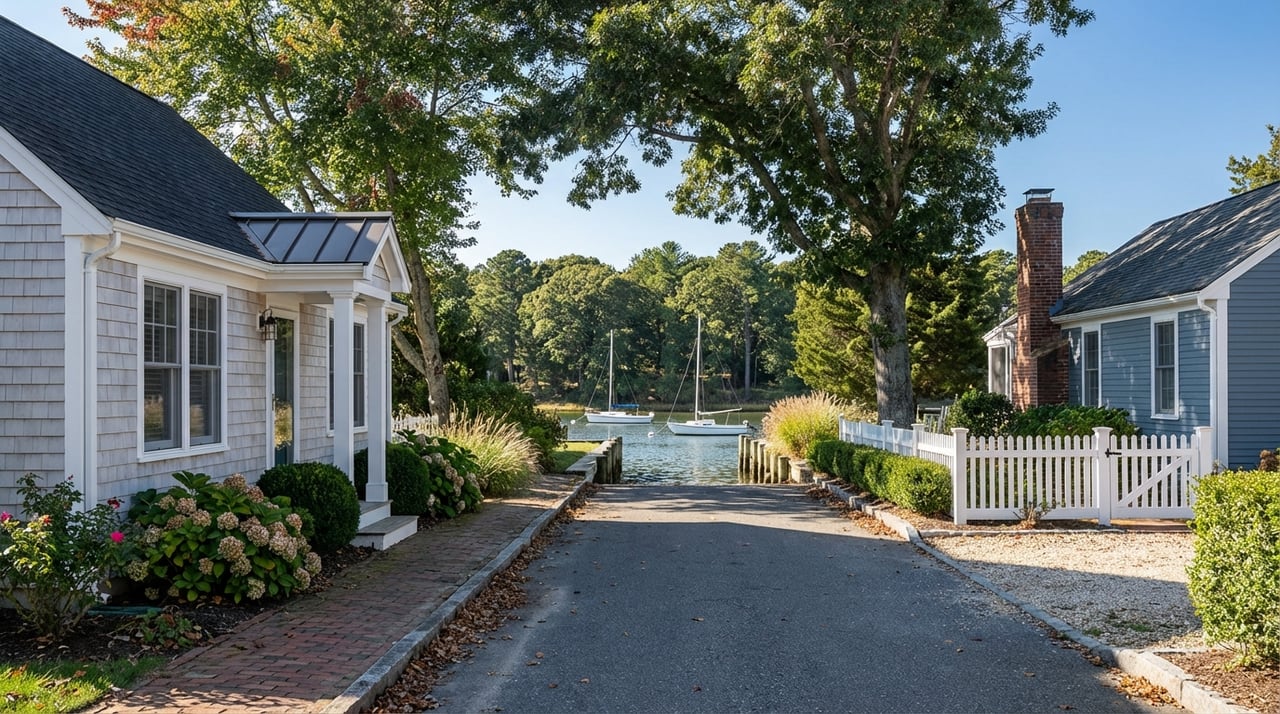
The harbor is the village’s defining backdrop. You will see dinghies and pleasure craft, seasonal transient slips, and people pausing for water views along the public edges. Long Wharf hosts community gatherings and, on festival days, fireworks from the end of the pier. During winter’s HarborFrost weekend, you can expect ice carving, local programming and fireworks that light up the harbor, as covered by the James Lane Post.
You can fill an evening without leaving the village. The Bay Street Theater anchors year-round performing arts with plays, concerts and community events right by the water. The Sag Harbor Cinema reopened as a community cinema arts center after a 2016 fire and now programs films, talks and education, with its iconic neon sign lighting up Main Street. For a deeper sense of place, the Sag Harbor Whaling & Historical Museum shares the village’s maritime story and hosts rotating cultural programs inside a landmark 19th century building.
The core combines daily conveniences with character. You will find morning coffee within steps of small markets, and long-standing dining rooms like the American Hotel that anchor Main Street. In the warm season, a Saturday farmers market fills the waterfront with local produce and prepared foods. Regional guides list the Sag Harbor market among the East End’s seasonal standouts, with weekly dates that typically run late spring through October, as noted in this farmers market guide.
If you live near the center, short errands can happen on foot. For bigger runs, you will likely make a quick drive to neighboring towns.
When you want green space, you have options close by. Mashashimuet Park offers fields and open space at the edge of the village. Trailheads into the Long Pond Greenbelt put ponds and quiet paths within a short drive. You can also explore bay shoreline and protected habitats at the Elizabeth A. Morton National Wildlife Refuge. Local conservation partners outline these outdoor options and access points in their Wild Sag Harbor overview.
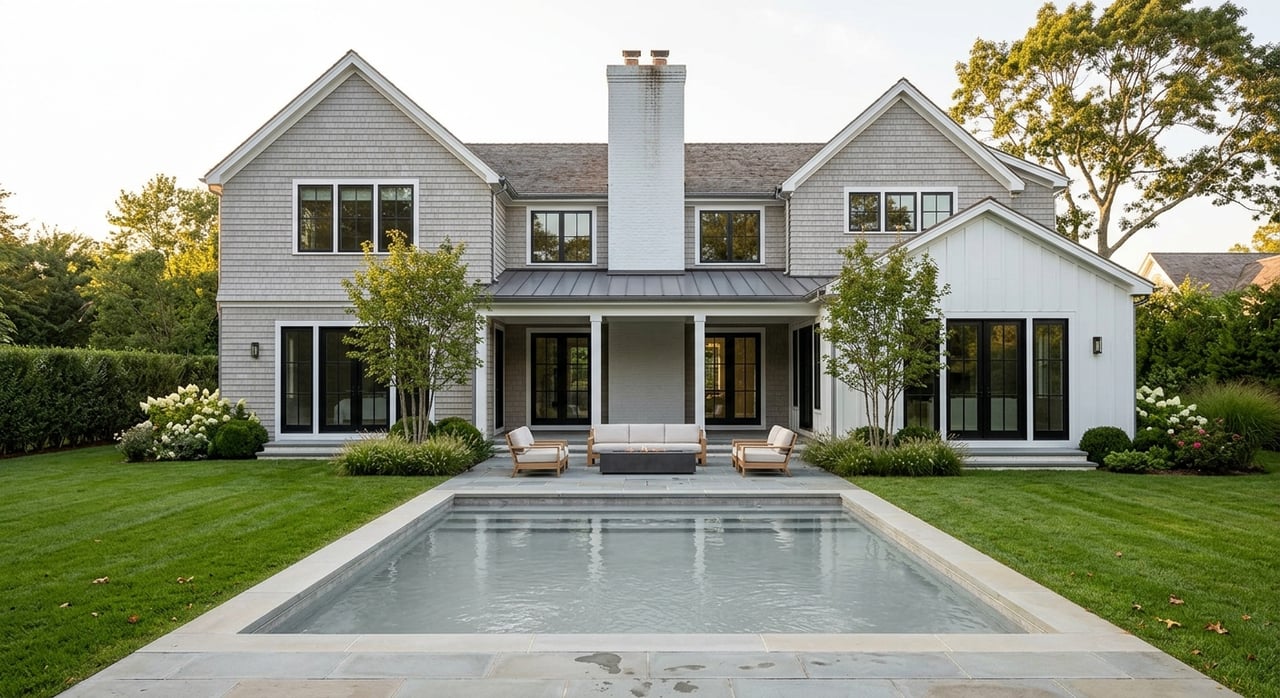
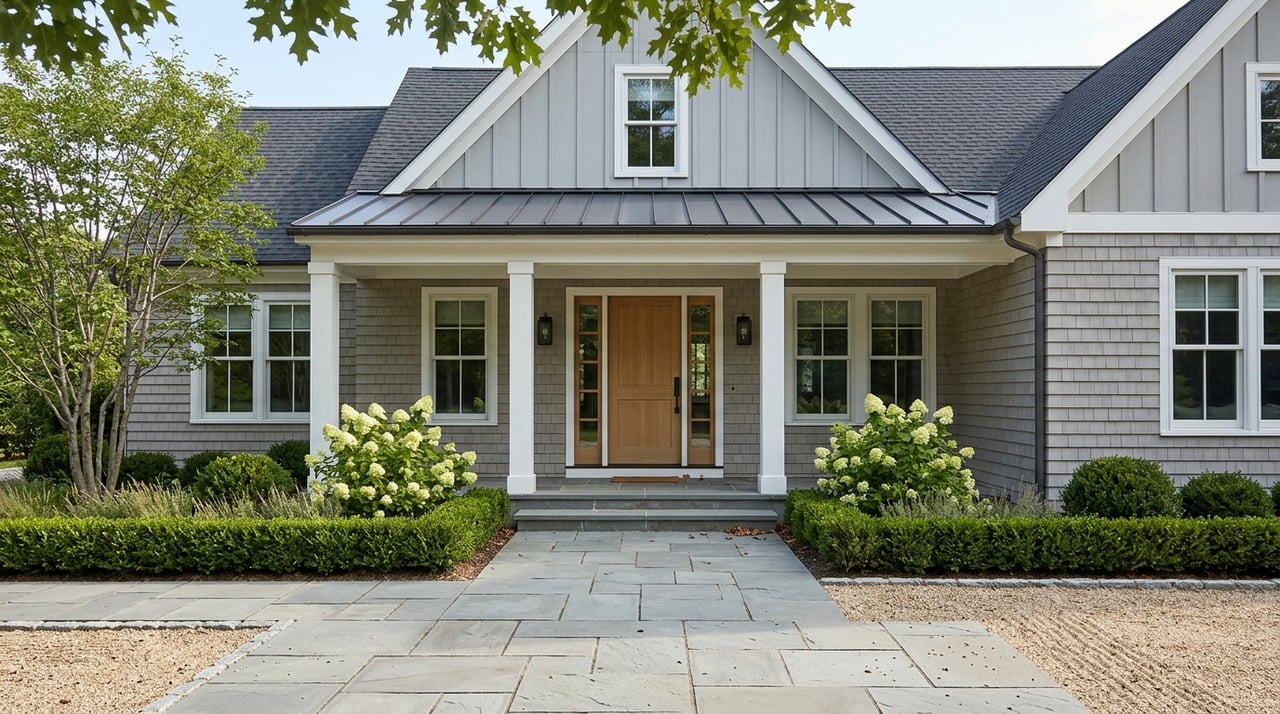
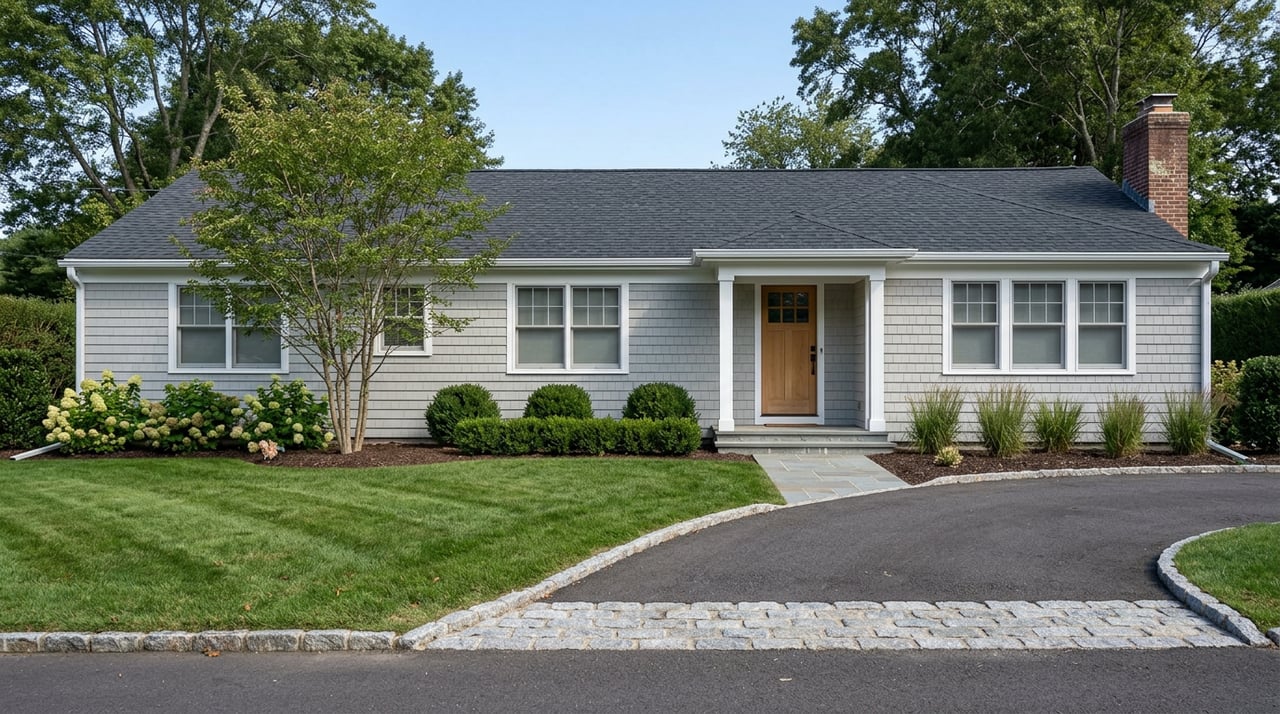
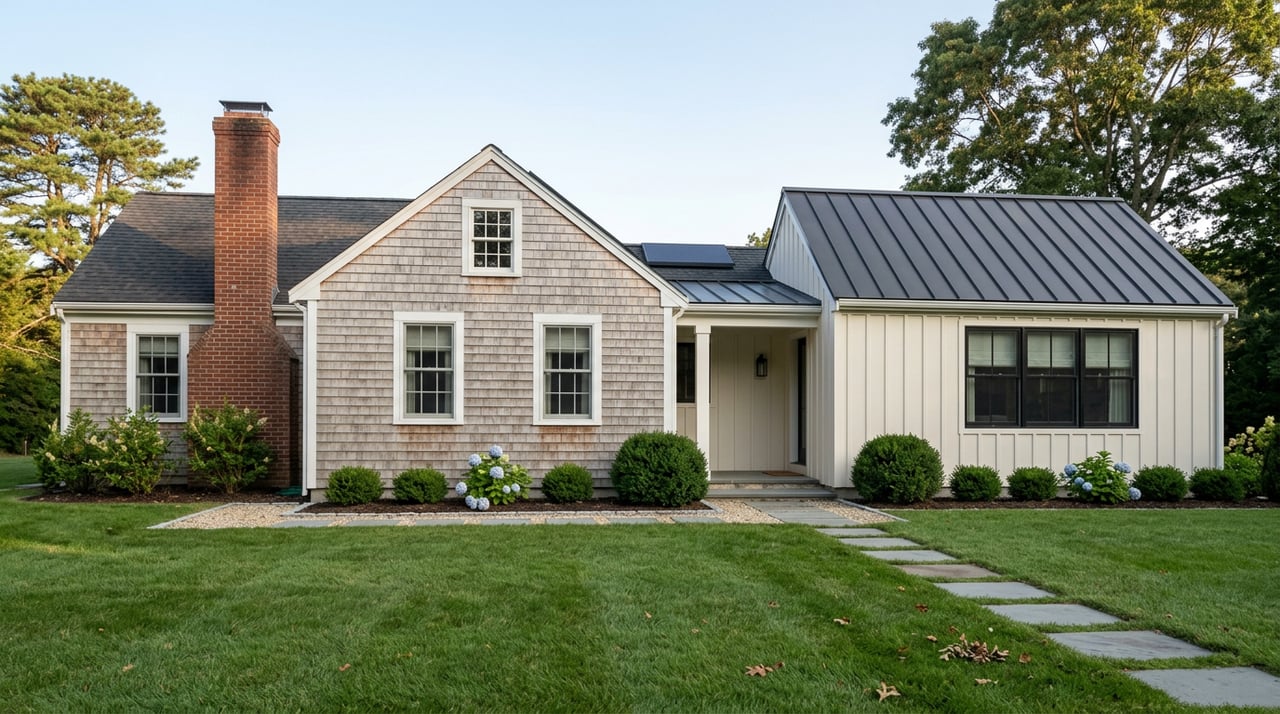
Housing in the core leans historic, with Greek Revival, Federal and Victorian-era cottages plus shingled and clapboard homes. The preserved district and local review boards help maintain scale and materials, which keeps the streetscape cohesive. If you live here, you are typically a short walk from restaurants, the harbor and cultural venues.
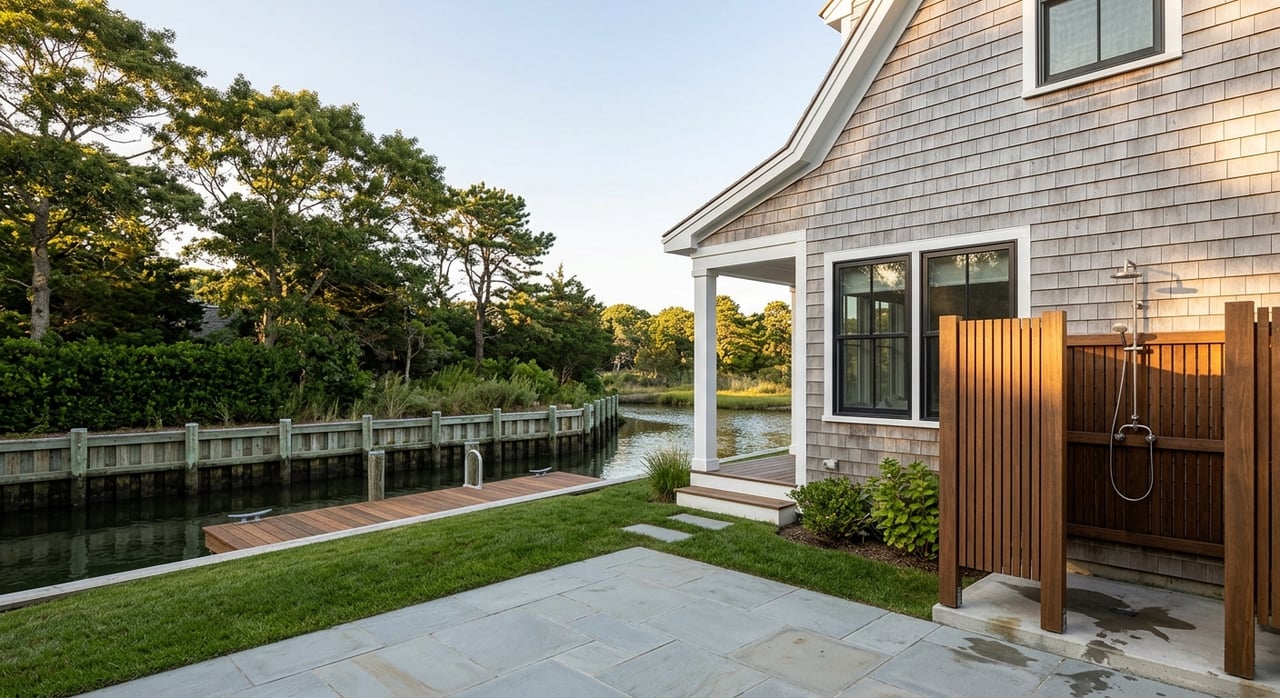
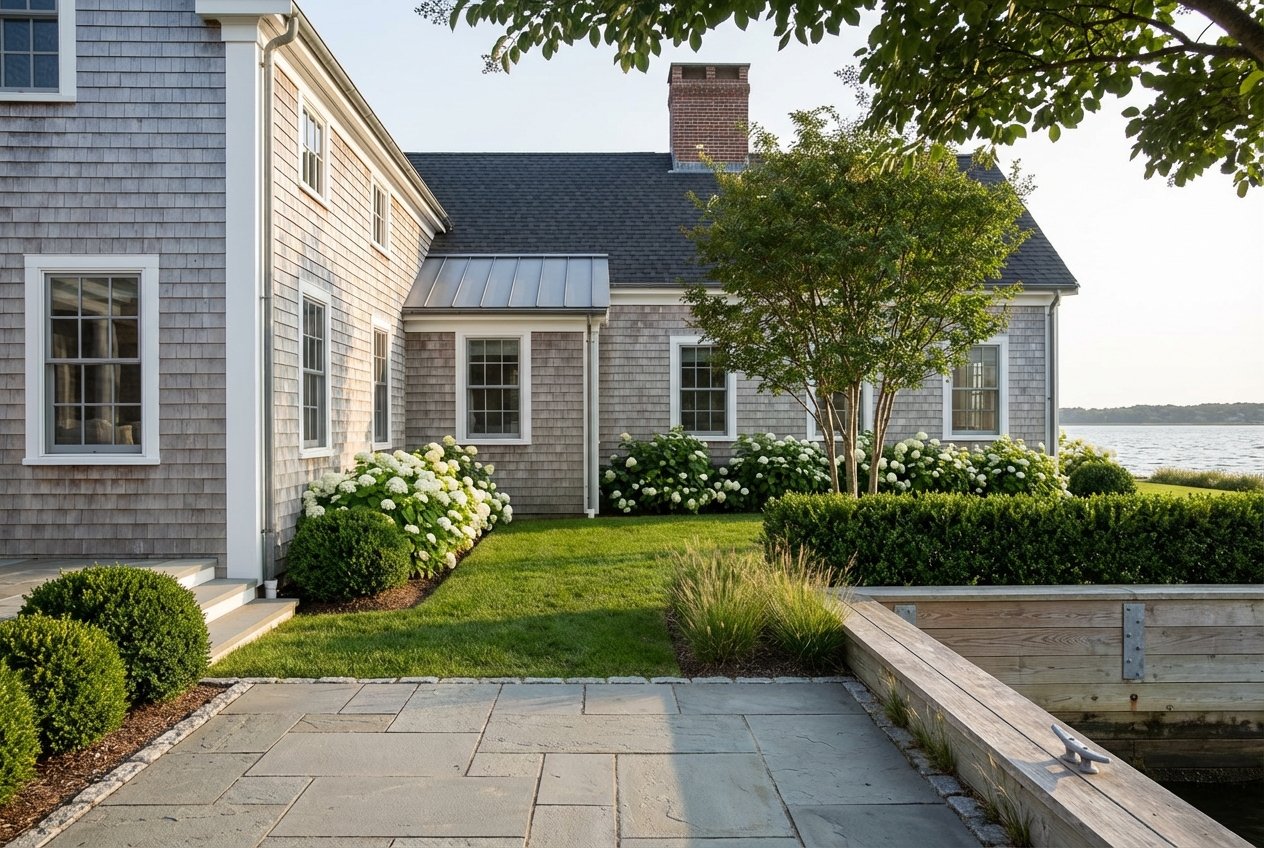
Just outside the tight village grid, North Haven reads as a quieter, mostly residential bayside enclave with larger waterfront parcels, docks and more privacy. Along Noyac Road toward Noyac Bay, you will find canals, docks and single-family waterfront homes. These pockets feel more spacious and private compared to the intimate, walkable center.
Summer is the high-energy season. Main Street hums, reservations fill, and boat traffic increases. Many storefronts extend hours, and you will feel the full social buzz that makes Sag Harbor a favorite warm-weather base, a point echoed in Travel + Leisure’s village overview.
The shoulder months of May and late September through October bring a softer pace. Shops and restaurants often stay open, sometimes with shorter hours, and you can enjoy quieter streets and crisp harbor walks.
Winter shifts to a calmer, neighborly mode. Programming like HarborFrost, with its outdoor activities and fireworks, keeps the center lively even when visitor numbers dip. You can expect a slower daily rhythm, which many year-round residents love.
By car, the drive from Manhattan is roughly 2 to 2.5 hours in off-peak traffic, but it can be longer on summer weekends. Travel guides suggest leaving early and planning around Friday and Saturday peaks, as noted in this Hamptons transit overview.
If you prefer not to drive, the Hampton Jitney’s Montauk line stops in downtown Sag Harbor, putting you near Main Street when you step off the coach. Check the Hampton Jitney passenger info for schedules and Sag Harbor stops.
There is no Long Island Rail Road station in Sag Harbor. LIRR riders typically get off at Bridgehampton or East Hampton, then take a taxi or rideshare for the final miles, as noted in the same Hamptons transit guide. In high season, some travelers use helicopter or seaplane charters for quicker trips.
Part of what you notice in Sag Harbor is how intact the village looks. That is not an accident. Historic-preservation review and engaged community conversations about tear-downs, large additions and scale have shaped recent development. These dynamics, documented in local and national reporting, reflect a shared desire to protect the village’s character while managing change. The result is a center that still feels like a true harbor village rather than a generic resort strip.
Choose Sag Harbor if you value a walkable core, a real working harbor, and an arts scene you can enjoy year-round. You will trade big-box convenience for small-town texture, and in return, you gain mornings on foot, water views in every direction, and a calendar that runs from summer buzz to quiet winter community.
If you want privacy and dockage, nearby waterfront pockets like North Haven and parts of Noyac offer larger parcels within minutes of the village. If you want daily errands and dinner on foot, the historic core is hard to beat.
If you are exploring a purchase or planning a sale, I can help you weigh lifestyle, renovation potential and long-term value block by block. For a private conversation about your goals, connect with Geoff Gifkins.
Stay up to date on the latest real estate trends.
Etiam non quam lacus suspendisse faucibus interdum. Orci ac auctor augue mauris augue neque. Bibendum at varius vel pharetra. Viverra orci sagittis eu volutpat.