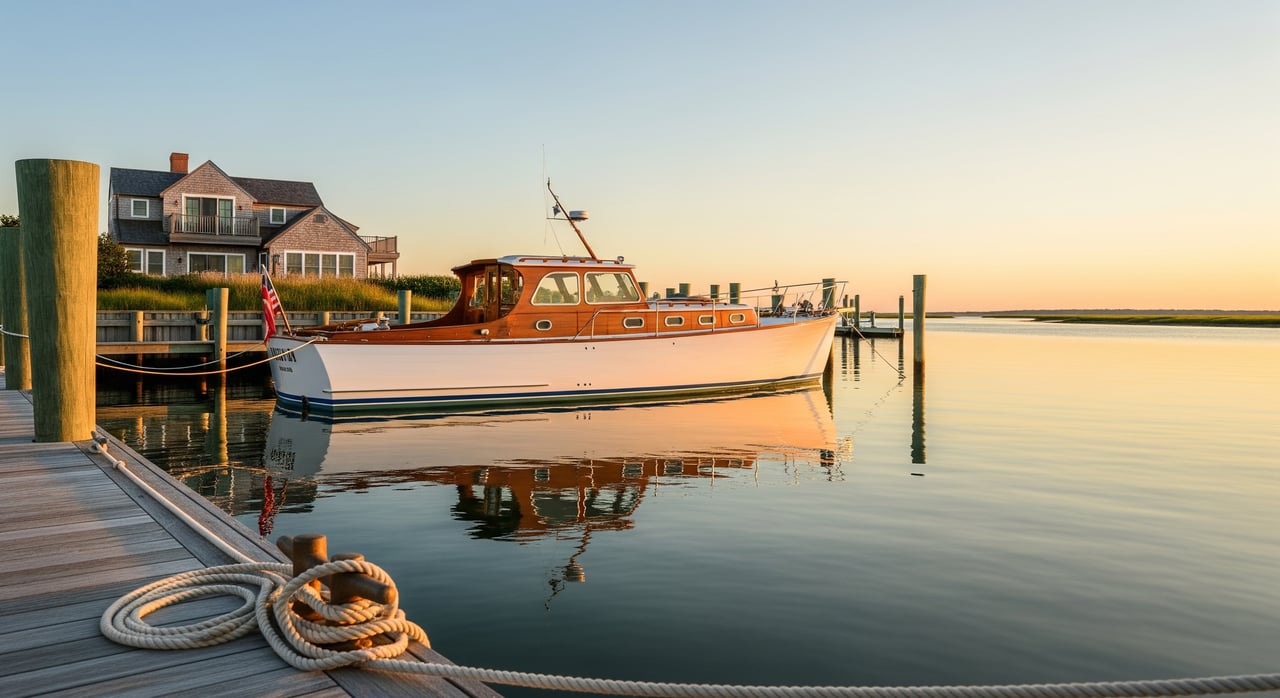
North Sea vs Noyack Boating Guide for Home Buyers
January 15, 2026
January 15, 2026
Shopping for a Hamptons home with your boat in mind? Choosing between North Sea and Noyack can feel tricky when tides, channel depths, and marina access all factor into your day-to-day. You want that easy step-on experience, but you also want to protect your investment and keep maintenance simple. In this guide, you’ll learn how these two bay-focused hamlets compare for boaters, what to verify before you buy, and a practical checklist to make a confident decision. Let’s dive in.
North Sea and Noyack sit in western Suffolk County with direct access to the Peconic and Gardiners Bay system. Most routes involve running tidal creeks and marked channels before reaching open bay waters. If you plan to explore Long Island Sound or Block Island waters, you’ll use nearby passages once you clear local channels.
For both hamlets, draft matters. Shallow stretches and seasonal shoaling can limit deeper keels at low tide, which is why many owners of larger or deeper-draft boats favor marina slips or time their runs with higher tides. Aids to navigation in these waters are maintained by the U.S. Coast Guard and local authorities, so you should always confirm current markers and any temporary changes before heading out.
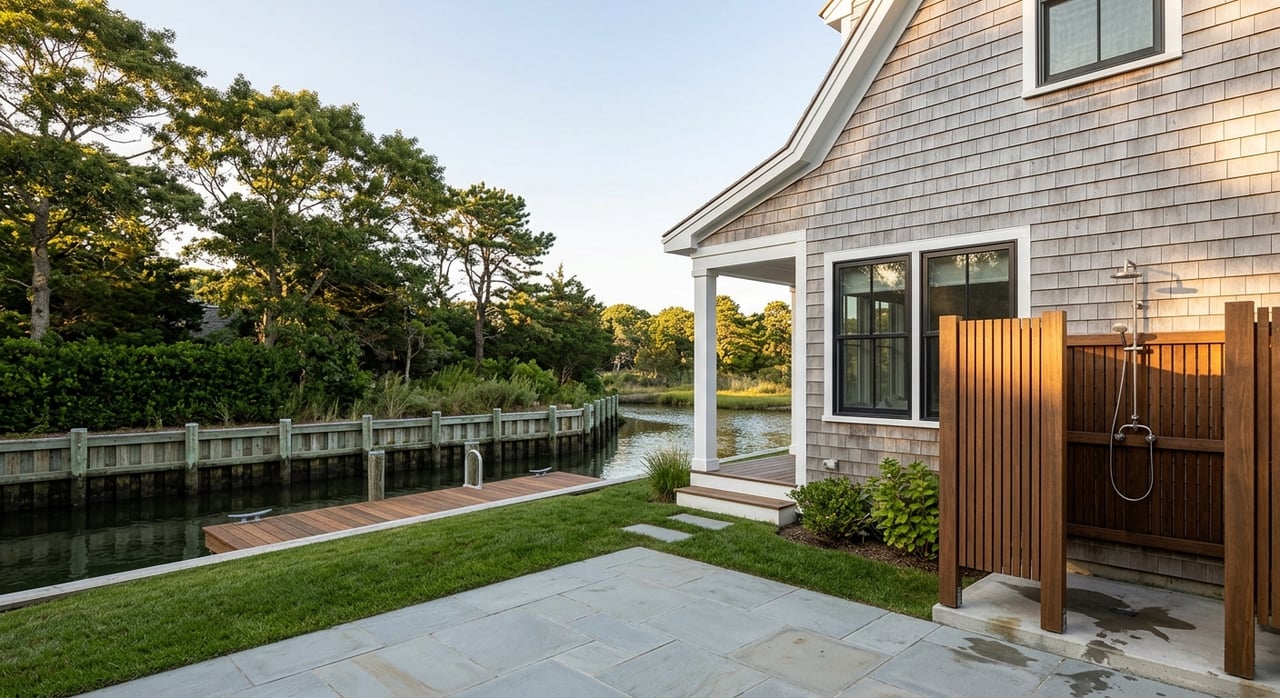
A private dock offers the highest convenience. You step aboard in minutes, and spontaneous sunset runs are easy. That convenience comes with permitting and environmental review, which can add time and cost. Depth at your shoreline and along the approach channel will dictate what you can practically berth at home.
Marinas suit larger vessels and owners who want shore power, water, pump-out, security, and haul-out nearby. Seasonal demand is highest in summer, and waitlists are common in desirable hamlets. A slip can also reduce wear on your shoreline and simplify service, especially if you use your boat weekly or keep a mechanically complex vessel.
Moorings are a cost-effective option and common across sheltered bays. You will need a tender or dinghy, and you should factor in exposure to wind and fetch on your specific swing. Confirm mooring field rules, how assignments are managed, and where you can store a tender.
Dry stack or yard storage limits bottom growth and can lower maintenance. This works best if you are comfortable trailering or scheduling launches around ramp availability. It is a strong fit for occasional users or smaller boats that do not need a full-service slip every day.
In both North Sea and Noyack, shoaling can occur in creek mouths and sheltered bay entrances. The most practical implication is simple. Know your draft at mean lower low water, and plan your property choice and mooring plan around it. Before closing on a home, verify charted depths, ask the harbormaster about recent dredging, and review current aids to navigation and any notices to mariners.
Summer brings more traffic, limited slip availability, and speed or no-wake zones in narrow channels. In winter and shoulder seasons, you will find more yard work, winterization, and some marinas closing for the off-season. If you intend to boat year-round, confirm which services remain available once temperatures drop.
When you compare these two hamlets, you are weighing convenience, cost, and the type of boating you do most often. You should verify:
If one area aligns better with your fueling, haul-out, and service expectations, that can outweigh a slightly longer run to open water. If you prize quiet anchorages and low traffic, a more sheltered embayment may be worth the tradeoff.
Private docks, bulkheads, and moorings in these hamlets are regulated at multiple levels. Expect town review for docks and shoreline structures, with Suffolk County, New York State coastal and tidal wetlands programs, and federal agencies also involved in certain cases. Permit reviews can require environmental assessments that consider eelgrass, shellfish habitat, and shoreline impacts.
Local rules on speed, wake, and swimming areas vary by waterway and season. Marinas typically require proof of insurance and carry standard liability limits, and waterfront homes with docks may see higher insurance premiums. If you plan a new dock or substantial repair, build permitting timelines and costs into your offer strategy.
Not every waterfront parcel is equal for boating. The shoreline type, frontage, and approach all shape what you can practically do.
Budget for maintenance too. Docks, lifts, and bulkheads require care, and some neighborhoods manage community moorings with rules and dues that you should review before you buy.
Because these hamlets share the same bay system, your best choice comes down to how you use your boat and the services you need nearby.
A simple rule of thumb helps. Match the hamlet and property to your draft, your maintenance tolerance, and the distance to the services you will use most often.
The best decision blends your boating style with verified local facts. Start by calling the harbormaster, two nearby marinas, and a trusted marine contractor. Ask about current depths, dredging cycles, slip or mooring availability, and permit requirements. Then schedule a low-tide site visit to test real-world access from a property you like.
If you are weighing North Sea against Noyack for a waterfront or water-access home, get tailored guidance and a curated shortlist that fits your vessel and your lifestyle. Connect with Geoff Gifkins for a private consultation.
Stay up to date on the latest real estate trends.

Etiam non quam lacus suspendisse faucibus interdum. Orci ac auctor augue mauris augue neque. Bibendum at varius vel pharetra. Viverra orci sagittis eu volutpat.