Choosing Water Mill Oceanfront Estates vs Interior Estates
February 5, 2026
February 5, 2026
Is the sound of surf worth more to you than a winding drive through mature trees and private lawns? If you are narrowing your search in Water Mill, you are likely weighing oceanfront drama against the comfort and flexibility of an interior estate. Both offer a world-class Hamptons lifestyle, but the tradeoffs are real. In this guide, you will compare daily experience, risk and permitting, resale dynamics, and due diligence so you can buy with confidence. Let’s dive in.
Water Mill sits in the Town of Southampton on eastern Long Island, where buyers come for beach access, privacy, entertaining, and long-term value. Supply is tight, especially on the water, which supports premiums for rare sites. Many owners balance summer fun with shoulder season or year-round use, so access to services and transportation also matters.
The three core property types you will compare are oceanfront, bayfront, and interior estates. Each carries its own lifestyle, cost profile, and regulatory environment. Matching your top priorities to the right parcel type is the fastest way to a good outcome.
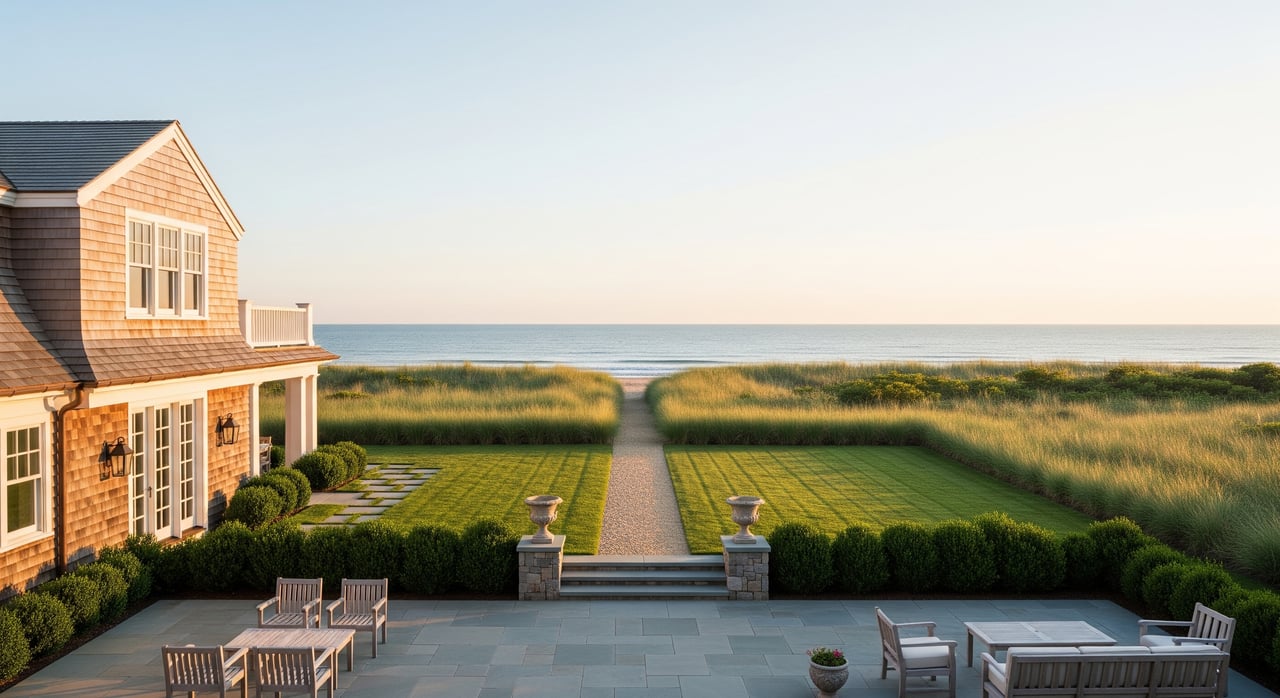
Oceanfront delivers uninterrupted Atlantic vistas, surf soundtrack, and sunrise drama. The view is a powerful value driver and a daily joy that is hard to duplicate inland. You also accept constant salt exposure and weather swings at the edge of the dune.
Direct or near-direct dune access means spontaneous walks, swimming, and surfing. Some stretches offer lifeguarded beaches nearby or association access. You get an energizing coastal scene, especially in peak season.
Oceanfront parcels can be narrower, which affects privacy and home siting. Dune protection rules and coastal setbacks shape the buildable envelope. Smart design, plantings, and rooftop or terrace zones can help you capture views and privacy.
Salt air increases wear on systems, finishes, and metal. Oceanfront is often in FEMA flood zones with higher storm surge exposure, so elevation and floodproofing are important for new builds and major improvements. You should plan for flood insurance, robust wind coverage, and resilience upgrades that reduce long-term risk.
Truly exceptional oceanfront tends to stay liquid among high-net-worth buyers because scarcity is real. Market sentiment can shift with climate and regulatory headlines, so the best-in-class sites hold their edge. Rental appeal can be strong where local rules allow, but verify registrations and occupancy standards before underwriting income.
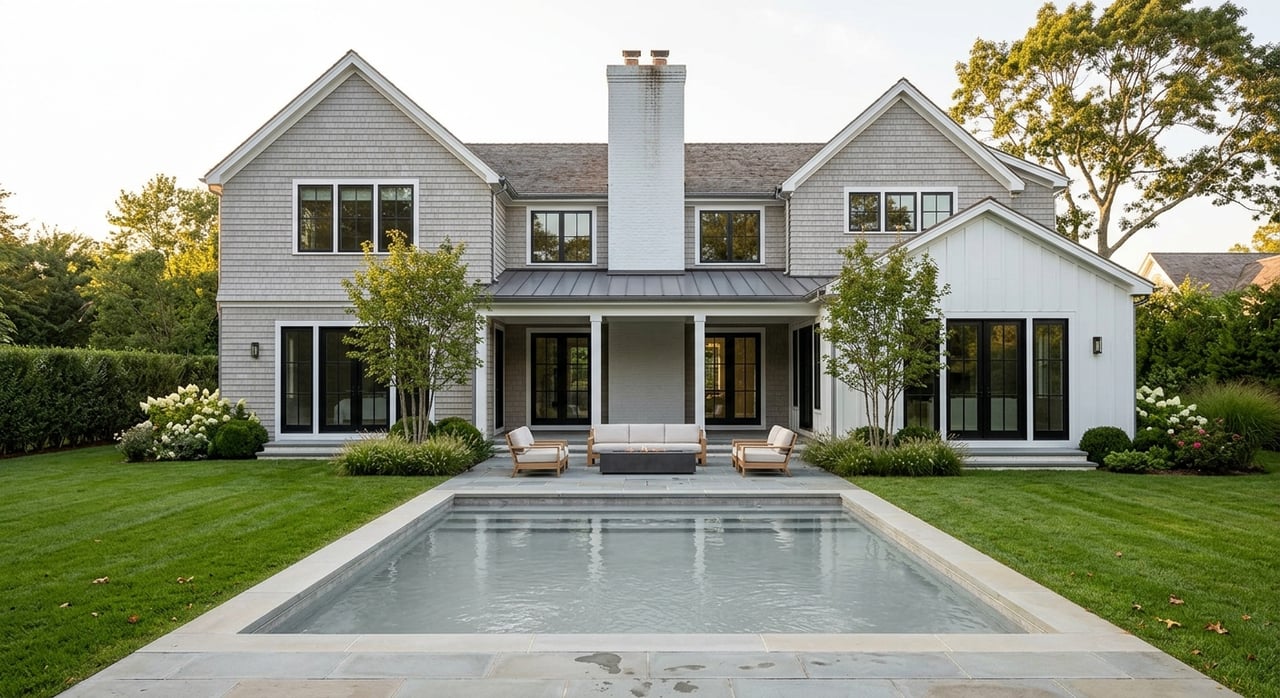
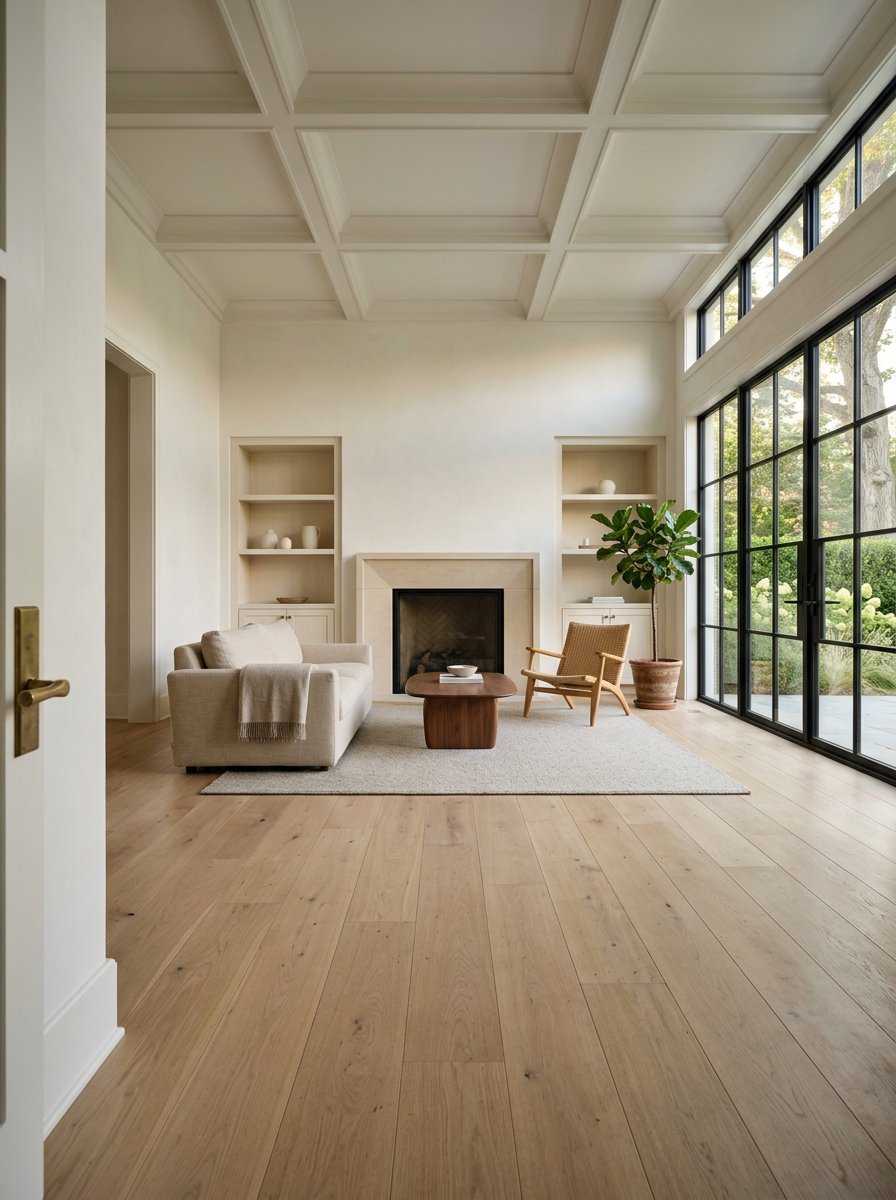
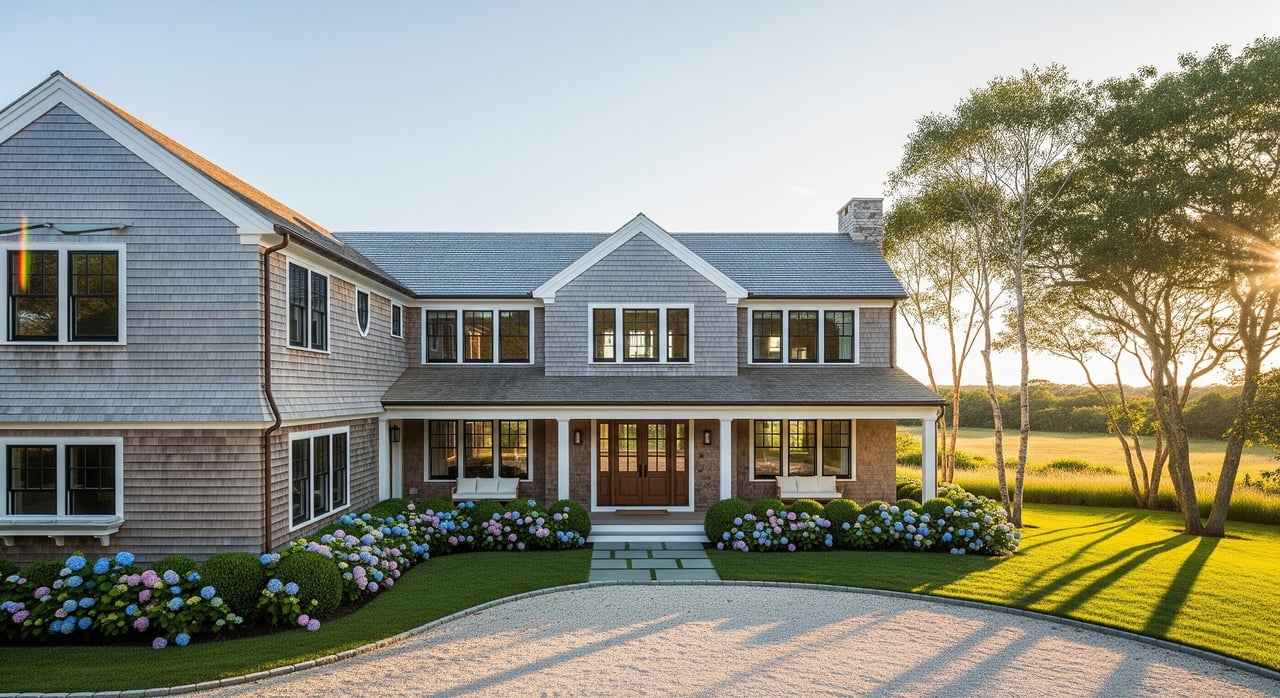
Interior estates offer space to spread out, often on multiple acres with long drives and mature landscaping. You trade immediate beach access for seclusion and room to host without the bustle of crowded shores. Pastoral or garden-focused views replace open water.
Bigger footprints allow pools, guesthouses, sport courts, barns, or equestrian facilities, subject to zoning and septic capacity. If your plan includes a multigenerational compound or significant renovation, interior parcels often give you the flexibility to execute.
Grounds, pools, septic systems, and outbuildings carry ongoing maintenance. You avoid specialized coastal protections and salt corrosion, which can lower disruption risk over time. Property taxes and assessments scale with acreage and improvements, so budget for carry.
Value ties to acreage, quality of improvements, proximity to beaches and village amenities, and overall design. Private land continues to appeal to buyers who want room and flexibility. Expansion potential can be a key long-term advantage.
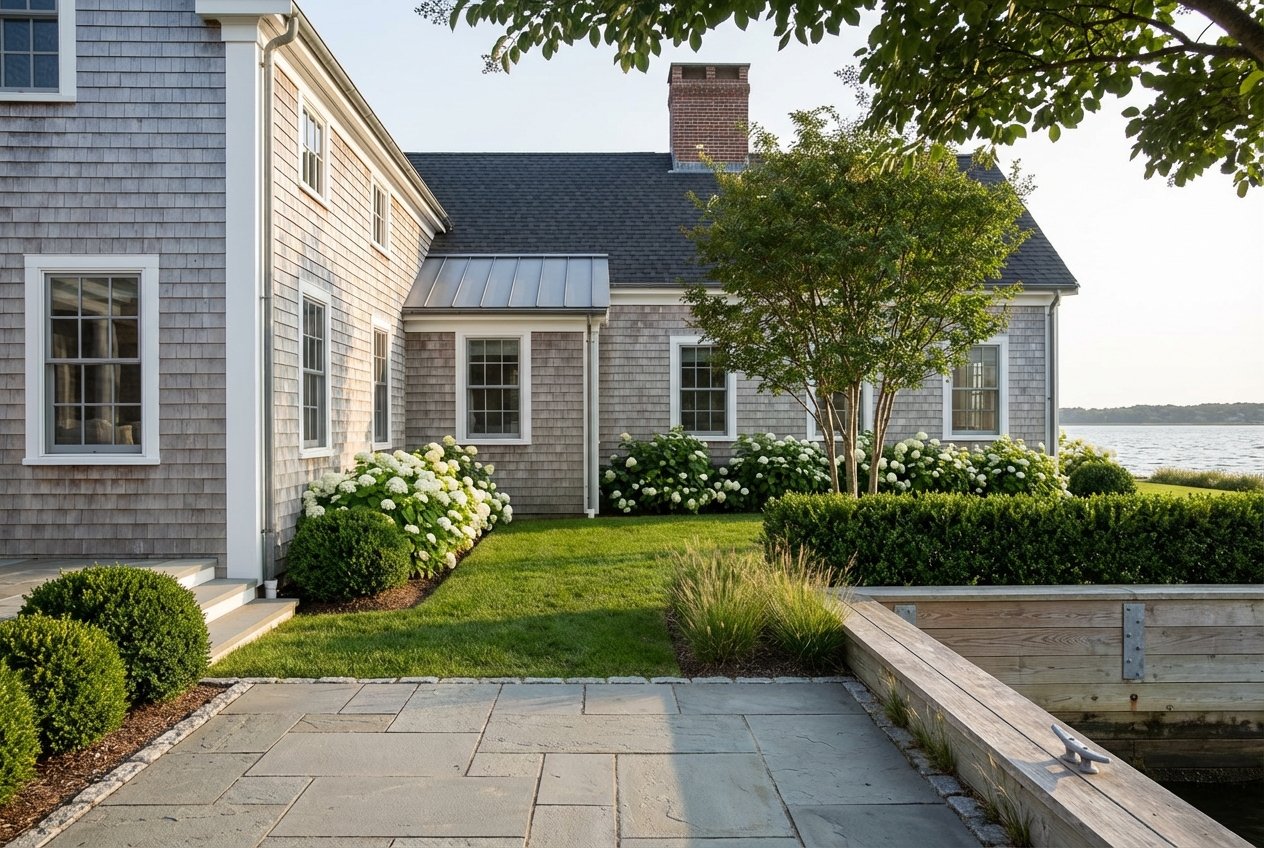
Bayfront on protected waters like Mecox often offers serene views and, in suitable locations, the ability to pursue docks, moorings, and family-friendly water play. Sunsets can be exceptional depending on orientation. Tidal depth and navigation to open water vary by parcel, so confirm bathymetry and access.
Bayfront typically sees less direct ocean exposure, yet parcels can fall under wetlands buffers and state or federal review for docks or bulkheads. Expect to coordinate with local and state agencies for waterfront work and mind setbacks that protect marsh and shoreline habitat.
Bayfront usually trades at a premium over non-waterfront but at a discount to direct oceanfront on a per-foot basis. Docking potential, protected exposure, and a quieter waterfront lifestyle support demand. As with oceanfront, resilience and permit status matter for value.
If surf and sand define your lifestyle, prioritize oceanfront and accept higher maintenance and insurance. If boating is essential, pursue bayfront that can support a dock. If privacy, amenities, and expansion lead, an interior estate fits best.
On waterfront lots, evaluate elevation, dune or marsh health, and mechanical system placement. Consider the feasibility and cost of elevation, flood vents, or resilient materials. These factors can lower long-term risk and create negotiation leverage.
Coastal repairs, seawalls, and docks often require approvals from the Town and state agencies. Build your timeline and contingencies around permit review, especially for major work. For estates, confirm septic approvals early to avoid design delays.
If rental income matters, verify registration requirements, realistic seasonal occupancy, and net income after taxes, fees, and maintenance. Make sure HOA or association rules allow rentals.
Include expert inspections and permit diligence during the contingency period. For bayfront, add a dock professional. For oceanfront, consult a coastal engineer. For estate parcels, engage a septic engineer and surveyor to map build zones.
Scarcity supports direct oceanfront, especially best-in-class dune lots with strong elevation and access. Bayfront offers a balance of waterfront living and relative protection, with docking utility adding value. Interior estates gain from acreage, privacy, and expansion potential, which many buyers prize as a stable alternative to coastal risk.
Your outcome depends on how you manage risk, carry costs, and usability. Properties with easy beach access, usable docks, or well-executed compound amenities typically command premiums because they support real-world enjoyment.
If you want both water and acreage, expect a very limited set of options. Some larger oceanfront or bayfront estates combine generous land with frontage, but they are rare and priced accordingly. A practical path is a bayfront property with docking plus a larger upland envelope, or an interior estate near a private or association beach.
Focus on how you will actually live in and around the property. The right choice is the one that makes daily use easy while keeping long-term risk and carry in balance.
Ready to compare specific Water Mill opportunities, weigh permits, and align the site to your plan? Request a private consultation with Geoff Gifkins to explore curated options and next steps.
Stay up to date on the latest real estate trends.
Etiam non quam lacus suspendisse faucibus interdum. Orci ac auctor augue mauris augue neque. Bibendum at varius vel pharetra. Viverra orci sagittis eu volutpat.