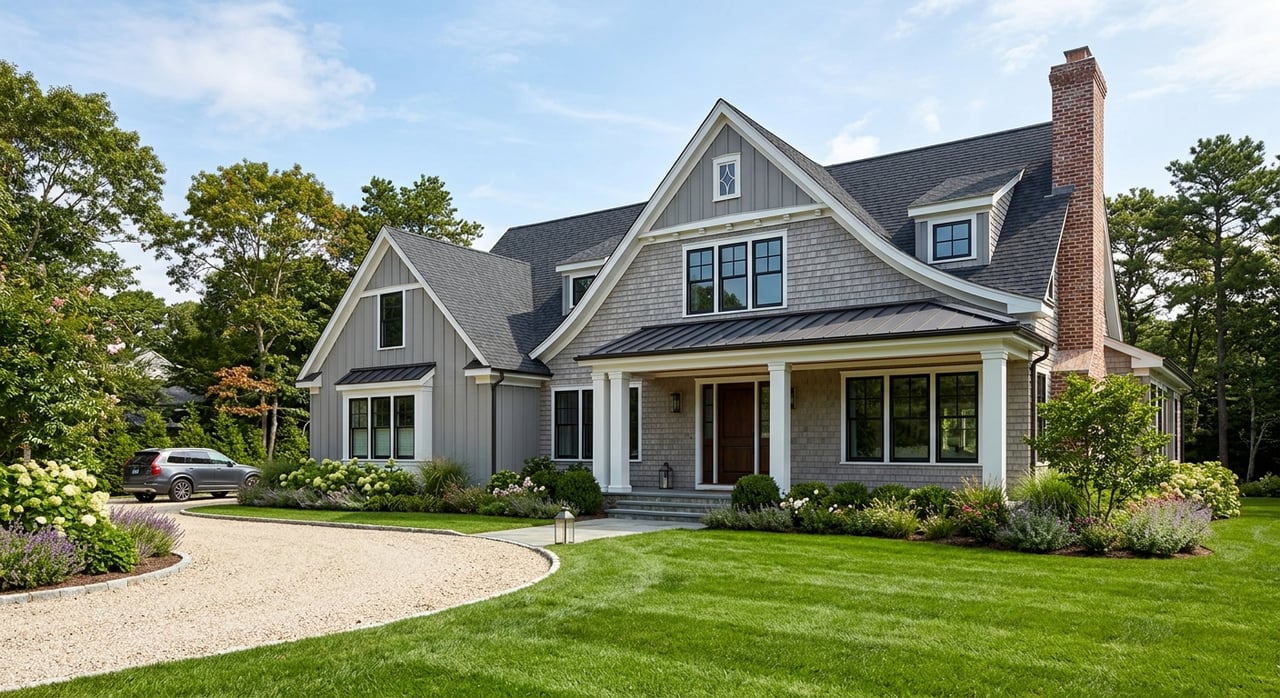
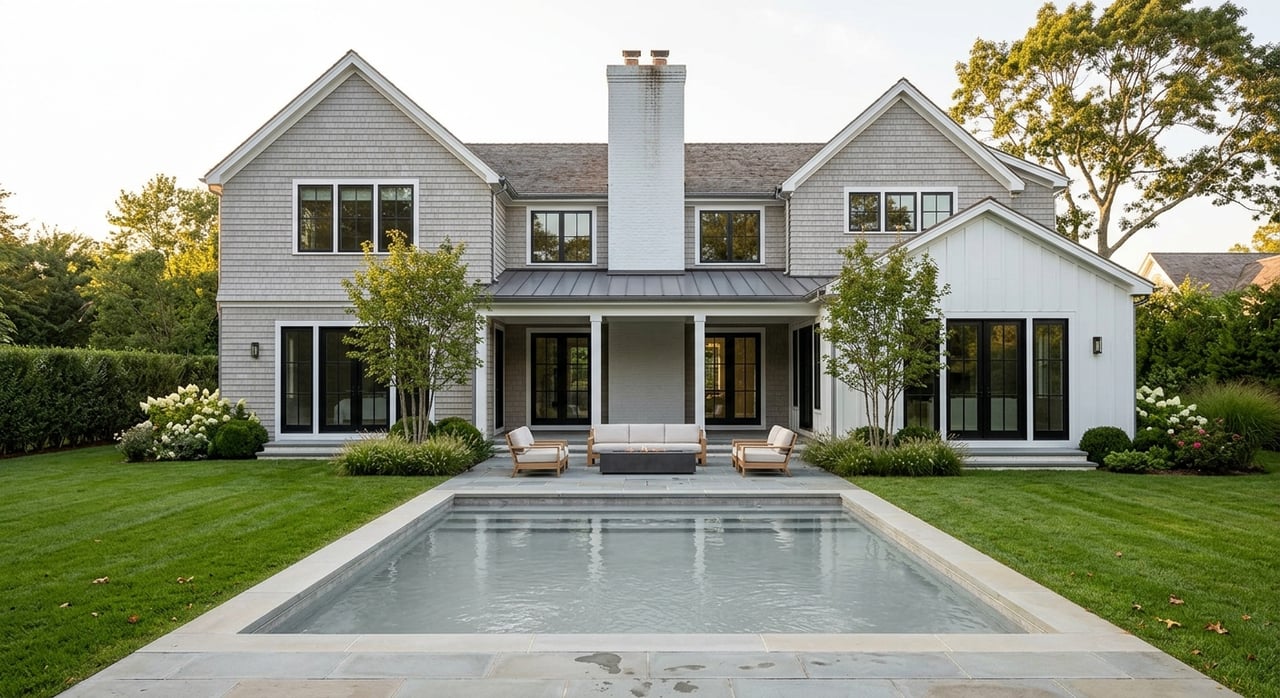
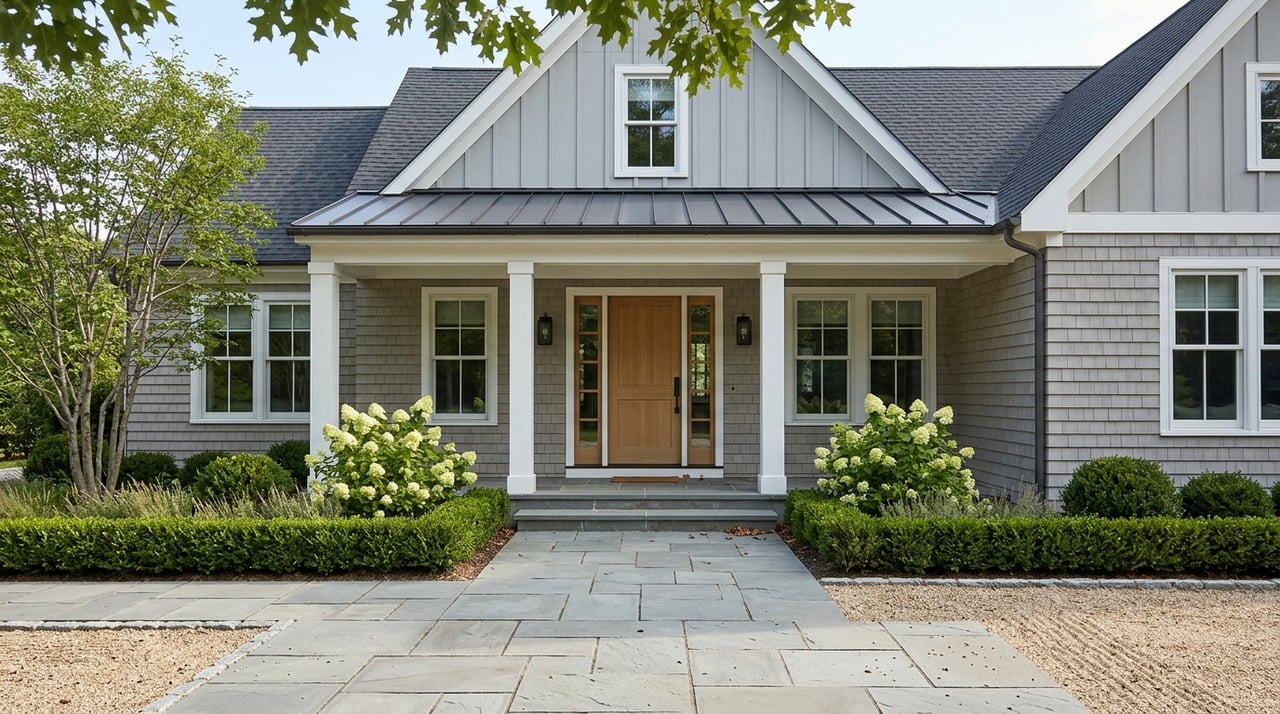
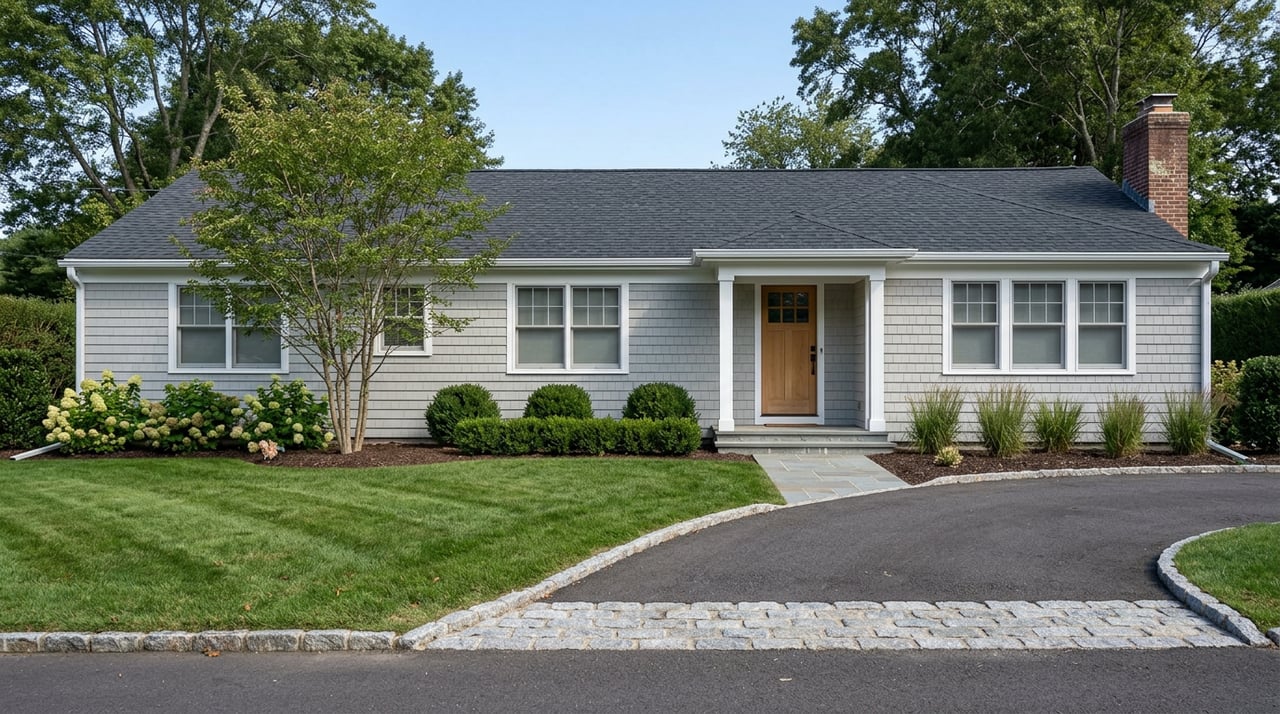
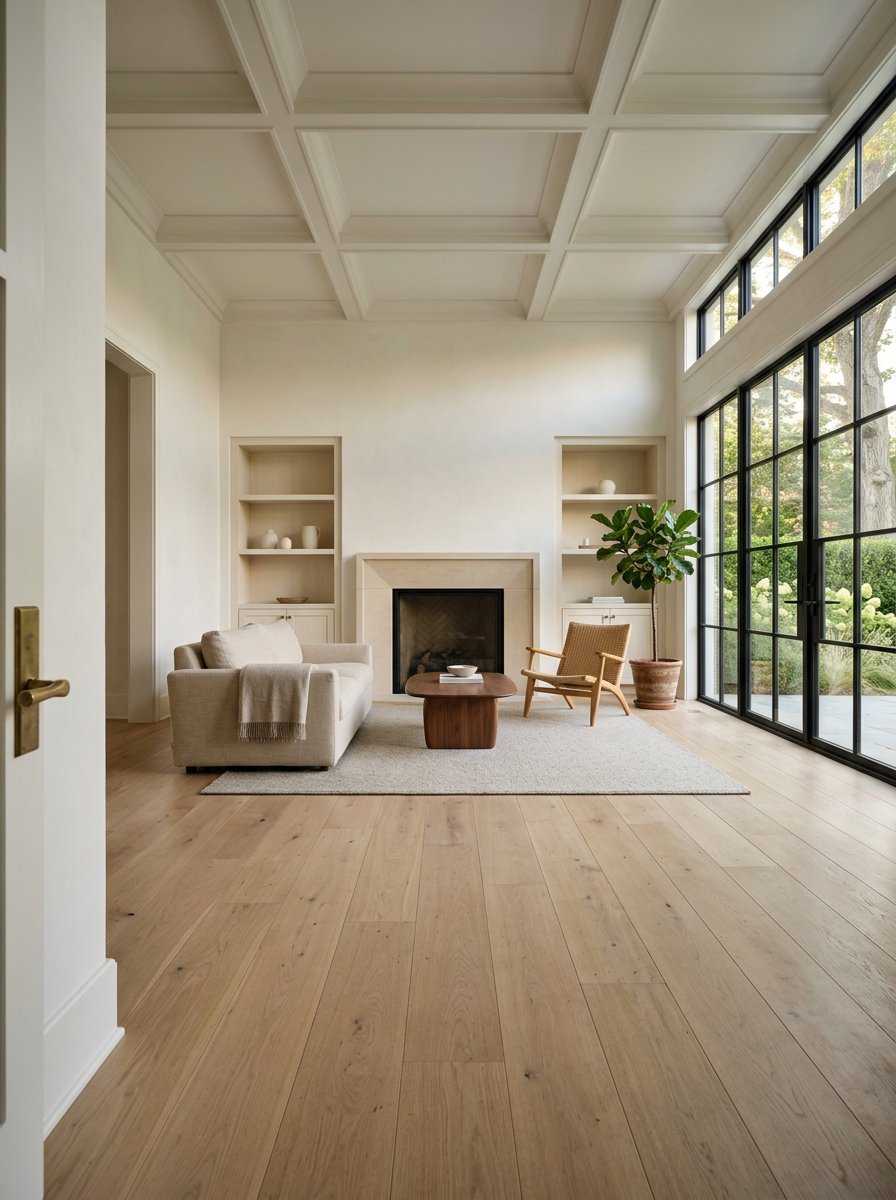
Thinking about selling your Water Mill home this spring or summer and want the numbers before you go public? You are not alone. In a seasonal, lifestyle-driven market like the Hamptons, timing and presentation can move value. This guide shows you exactly what a confidential, data-backed valuation includes, how pricing works in Water Mill, and the steps that help you list with confidence when the season peaks. Let’s dive in.
Why a private valuation in Water Mill
Water Mill sits within the Town of Southampton in Suffolk County and tracks with broader Hamptons trends. Buyer activity typically builds in spring and peaks through summer, when lifestyle features like pools, outdoor spaces, and beach access shine. A private valuation lets you assess options quietly, align on timing, and decide whether to go broad or stay selective.
You want local facts, not guesswork. That is why a credible opinion relies on Water Mill sales and actives pulled from sources like OneKey MLS and county records, paired with on-site condition notes. The result is a clear value range and a strategy calibrated to the season.
What a confidential analysis includes
Valuation purpose and deliverable
A private valuation is an opinion of market value, sometimes called a broker price opinion. It is not a licensed appraisal. Your confidential memo should include a value range, recommended list price options, a comp workbook with reasoning, key market indicators, and a preparation plan tied to your timing goals.
The data we collect
- Recent Water Mill closed sales, ideally from the last 6 to 12 months, plus older sales when turnover is thin.
- Current competition: active and pending listings, price reductions, and expired listings that signal resistance.
- Market indicators: days on market, list-to-sale ratios, and contract activity specific to Water Mill and nearby hamlets.
- Property features: acreage and setting, finished square footage, bed and bath count, architectural pedigree, pool and guest structures, septic status, and access to water or the beach.
- Condition: roof, windows, mechanicals, landscape, and the status of amenities like pool equipment and smart-home systems.
- Non-price terms seen in recent contracts, such as rent-backs or included furnishings, that can shape your net.
Selecting comparable sales
The best comps are close in location and lifestyle. Priority goes to Water Mill sales with similar water orientation or acreage. If direct matches are limited, nearby hamlets like Bridgehampton and Sagaponack can supplement the set. You usually want 3 to 8 solid sales and 3 to 6 active or pending comparables, with clear notes on the differences.
Adjustments and premiums
Not all features translate to hard numbers. For major drivers like waterfront versus non-waterfront, beach access, acreage, finished area, and guesthouses, your analysis should spell out adjustments or a premium range. For unique attributes, such as architectural significance or rare privacy, the valuation should show a justified premium range rather than a precise figure. The goal is a defensible value range, not false precision.
Timing and pricing strategy
Buyer demand signals to watch
- Private showing requests and broker previews per week
- Offers and contingency terms, plus the timeline from first showing to contract
- Listing engagement data, including views and saves from major portals and brokerage sites
- Off-market inquiries and international interest through broker networks
- Price reductions in the competitive set, and time to price change
Spring and summer advantage
Spring through early summer is the prime window for lifestyle-led homes. Listing before Memorial Day often captures peak momentum. Off-season can still work if you prefer a quieter approach, but expect fewer buyers and a longer time to contract, which may be acceptable if privacy is the priority.
Pricing options and trade-offs
- Market-priced: List at or just below the market point. You create urgency, reduce days on market, and may attract multiple offers. Negotiation room is limited by design.
- Aspirational: Price at a premium when your home has exceptional, provable features and inventory is scarce. This demands standout presentation and tight execution.
- Control or quiet campaign: Use pocket listings, invitation-only events, and selective outreach. You protect privacy and screen buyers, but the timeline can extend due to narrower exposure.
Each path should include expectations for days on market and likelihood of sale so you can choose based on your priorities.
Preparation and presentation that move value
High-impact preparation
- Service mechanicals and complete a pre-listing check on HVAC, pool equipment, and septic. Handle basic repairs to avoid buyer surprises.
- Deep clean, declutter, and neutralize highly personal decor. This supports both privacy and broad appeal.
- Upgrade selectively. Fresh paint in main areas, updated hardware, and tuned lighting often outperform larger projects on return.
- Elevate curb appeal. Professional landscaping, seasonal plantings, and exterior lighting matter in the Hamptons.
Staging and media assets
- Stage main living areas and the primary suite. Consider soft staging if you plan to occupy the home seasonally.
- Use professional architectural photos, twilight images, and drone aerials for acreage or proximity to the beach.
- Add a floor plan and high-quality 3D tour to pre-qualify buyers.
- Provide a printed brochure with specifications and plans for private showings.
Privacy-first options
- Pocket listings with NDAs for vetted buyers and brokers
- Low-detail or coming-soon pages that share essentials without full address or interior images
- Broker-to-broker previews and targeted outreach to known Hamptons buyers
- Buyer verification and pre-qualification before private showings
Legal and risk considerations
Your private valuation visit
What to send in advance
- Deed and any certificate of occupancy
- Recent survey or plot plan, including flood elevations if available
- Three years of property tax bills and assessment notices, plus any Suffolk County Real Property records
- Recent utility bills and septic inspection or permits
- Invoices for major improvements and system upgrades
- Floor plan and documentation of finished square footage
- Rental history, if applicable, plus insurance claims history and policy details
On-site walkthrough checklist
- Access, driveway condition, gates, and overall curb appeal
- Exterior systems: roof, siding, windows, terraces, docks, and beach access
- Landscaping, irrigation, exterior lighting, and fencing
- Pool and spa condition, safety features, and equipment
- Interior layout, ceiling heights, finishes, kitchens, baths, and guest spaces
- Mechanical systems: HVAC age and service status, boilers, hot water, electrical capacity
- Septic or sewer details, and any underground tanks
- Photos and measurements if a floor plan is missing or outdated
Deliverables you receive
- A confidential memo with an executive value range and recommended list price options
- A comp workbook with side-by-side sales, actives, and clear adjustment notes
- A condition and repairs list with cost-to-cure categories
- A presentation plan and staging checklist aligned to your chosen timing
- Timeline scenarios and expectations for each pricing path
Common constraints and how to handle them
Luxury homes trade less often, so Water Mill may have few recent direct comps. A range is more reliable than a single number in these cases. Unique attributes like architectural provenance or a rare view can merit a qualitative premium, stated as a conservative range.
If your property sits in a special flood or conservation area, factor insurance, permitting, and timeline into your strategy. When in doubt, document assumptions and keep your options flexible, including non-price terms like leasebacks or furniture inclusions.
Ready to explore your options?
A confidential, data-led valuation helps you move with clarity when the Hamptons season heats up. If privacy matters, you can test the market quietly and step into full exposure only when the signals are strong. When you are ready to talk through comps, timing, and presentation, connect with Geoff Gifkins for a private consultation.
FAQs
What is a private valuation for a Water Mill home?
- It is a confidential, data-backed opinion of market value based on recent comps, current competition, and your home’s condition, not a licensed appraisal.
How does Water Mill seasonality affect price?
- Buyer activity usually rises in spring and peaks through summer, which often improves pricing for homes with strong lifestyle features like pools and outdoor spaces.
Which documents should I prepare before the valuation?
- Provide your deed, survey, tax bills, improvement invoices, floor plan, utility and septic records, and any rental or insurance history to speed accurate analysis.
What pricing strategies work for Hamptons luxury homes?
- Market-priced for speed, aspirational for rare features, or a quiet pocket approach for privacy, with each path modeled for likely days on market and sale odds.
How do you protect privacy during the sale process?
- Use NDAs, pre-qualification for showings, low-detail teasers, and targeted broker outreach to vetted buyers, then expand exposure only when needed.
What regulations could impact my Water Mill property?
- Lead disclosure for pre-1978 homes, flood zone status, and local coastal or wetlands rules may affect insurance, renovations, and timelines, so verify early.