
Sag Harbor Real Estate Seasonality and Timing Your Move
November 21, 2025
November 21, 2025
Thinking about when to make your move in Sag Harbor? Timing can be the difference between multiple offers and a quiet listing, or between paying a premium and finding value. You want a clear picture of how the market actually behaves through the year so you can plan with confidence. In this guide, you’ll learn how listings, buyer traffic, and pricing usually shift by season in Sag Harbor, plus practical steps to take in any month. Let’s dive in.
Sag Harbor follows a reliable seasonal pattern shaped by second‑home demand and the Hamptons lifestyle calendar. Activity builds in spring, peaks in summer, settles in early fall, and slows across late fall and winter. This cadence affects how many homes hit the market, who is shopping, and how quickly properties sell.
By March, sellers start listing to catch the first wave of seasonal visitors. April and May often deliver robust listing activity and a noticeable increase in showings. Well‑presented properties see faster days on market and stronger list‑to‑sale price ratios. If you’re buying, have pre‑approval ready and be prepared to move quickly on standout homes.
Summer is high season for Sag Harbor. Buyer foot traffic surges as second‑home shoppers and vacationers explore open houses and private showings. Waterfront, renovated cottages, and turnkey homes draw the most attention and can receive multiple offers. Expect firmer pricing and a premium for homes that are move‑in ready for the season.
September often delivers a second flurry of activity as summer buyers finalize choices. Pricing can be slightly softer than peak summer, and motivated sellers look to wrap transactions before year‑end. October and early November still present quality inventory, though activity tapers as the holidays approach. Buyers can find good matches without peak‑season competition.
Late fall into winter is the quietest period for both new listings and showings. Inventory is thinner and fewer open houses run, which can create opportunities for buyers seeking negotiation room. Sellers who list now need sharp pricing and clear value to attract motivated winter buyers. Inspections and closings can be smoother in winter, aside from holiday slowdowns.
Prices tend to be firmest in late spring and summer when demand is strongest, especially for waterfront, renovated, and immediate‑occupancy properties. In shoulder and off‑season months, average list‑to‑sale price ratios can soften and negotiation becomes more common. Days on market often lengthen in late fall and winter as buyer traffic slows.
Macro conditions can amplify or soften these swings. Changes in mortgage rates can reshape buyer budgets and urgency. For rate context and weekly trends, review the Freddie Mac Primary Mortgage Market Survey.
Sag Harbor’s inventory includes a blend of year‑round primary homes and second homes used seasonally or part‑time. The second‑home segment magnifies seasonality because owners often list ahead of summer and out‑of‑area buyers visit in warmer months. Local buyers act year‑round, while visiting buyers concentrate showings in spring and summer.
If new listings surge faster than sales, active inventory can rise and tilt leverage toward buyers. When sales absorb listings quickly, inventory can feel tight even during peak months. Monitoring both new listings and active inventory helps you read the market accurately.
January to February
March to May
June to August
September to November
December
Tracking a few metrics each month can help you anticipate shifts and time your move. You can follow broader housing trends through NAR research and statistics and rate trends through the Freddie Mac PMMS. Locally, your agent can pull monthly figures from the MLS.
Key metrics to monitor:
Look for repeated patterns over several years rather than reading too much into a single month. Macro shifts like changes in rates, equity markets, or rental regulations can alter the usual peaks and troughs, so pair historical seasonality with current conditions.
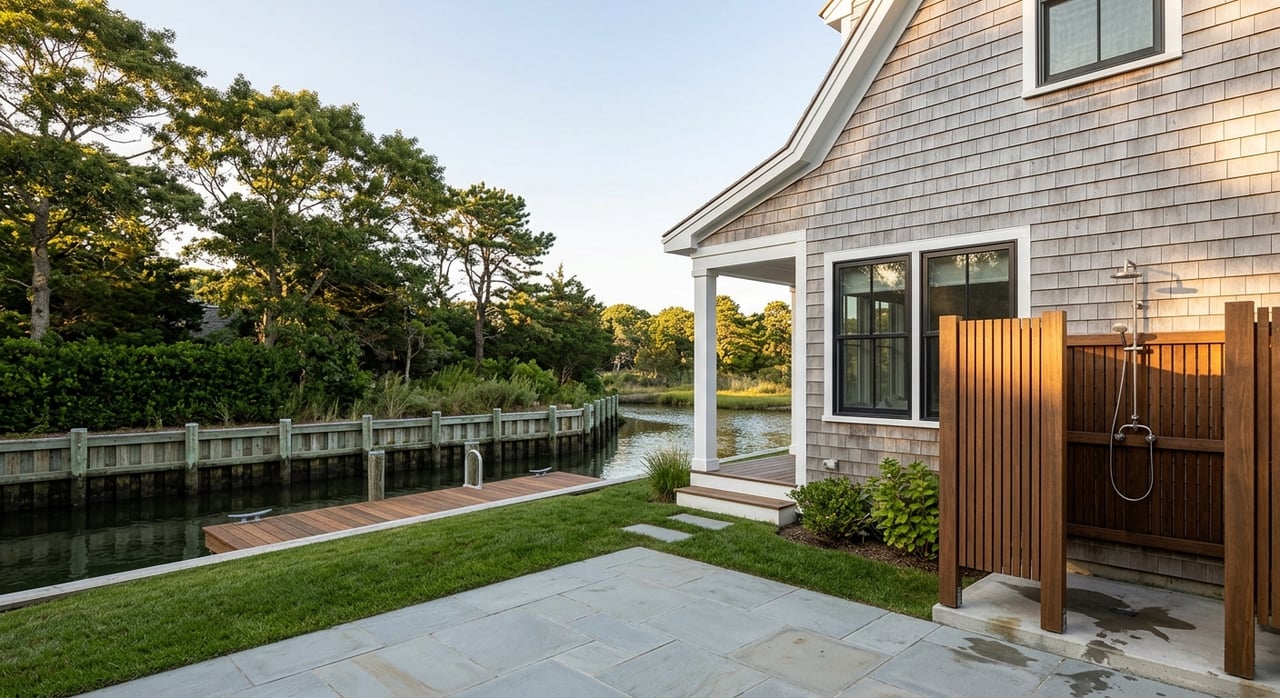
Inspections in winter can reveal different issues, including freeze or moisture concerns, while summer inspections can better assess cooling systems, outdoor structures, and shoreline conditions. Waterfront buyers should request season‑appropriate assessments of bulkheads or seawalls. Factor in scheduling realities, since lenders, attorneys, and inspectors often book up in peak summer months. Off‑season closings can move faster, aside from holiday periods.
Seasonality in Sag Harbor is predictable enough to plan around, yet flexible enough that smart preparation wins in any month. If you want to maximize price, lean into the spring and summer window with polished presentation and broad exposure. If you aim to negotiate or move quietly, late fall and winter can work well with the right pricing and terms.
If you are weighing your timing or want a tailored plan for your property search or sale, connect with Geoff Gifkins for a private consultation or instant home valuation.
Stay up to date on the latest real estate trends.

Etiam non quam lacus suspendisse faucibus interdum. Orci ac auctor augue mauris augue neque. Bibendum at varius vel pharetra. Viverra orci sagittis eu volutpat.