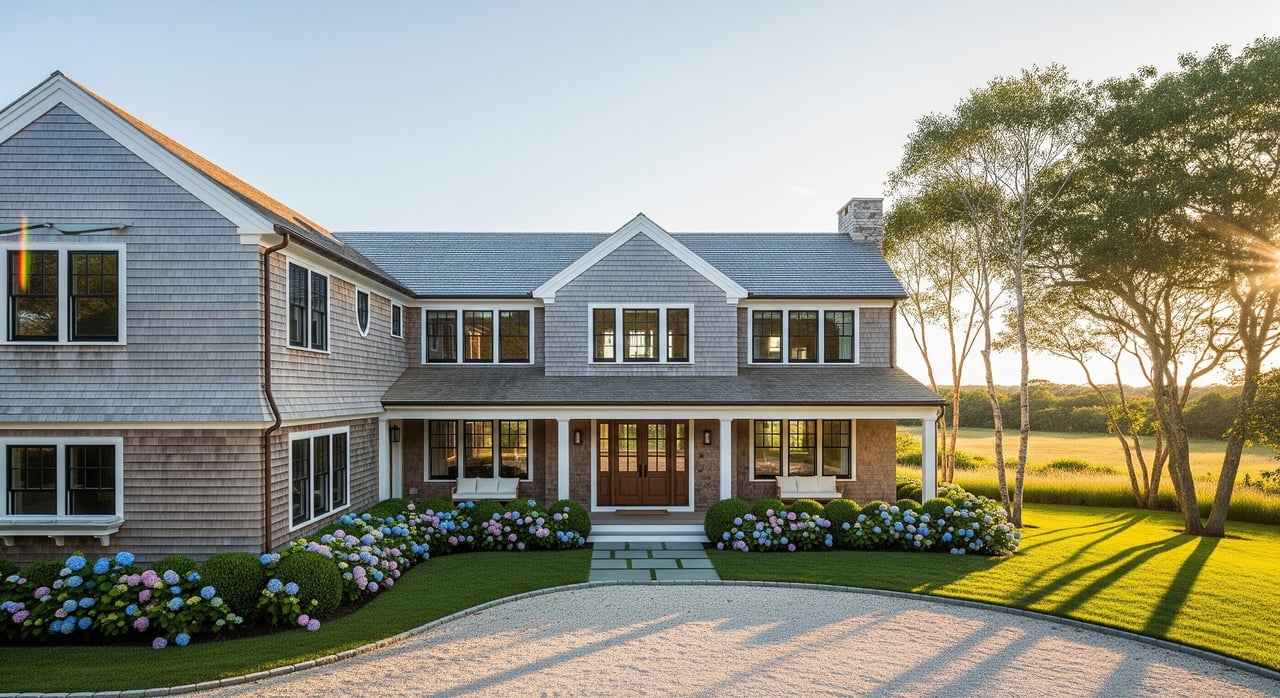
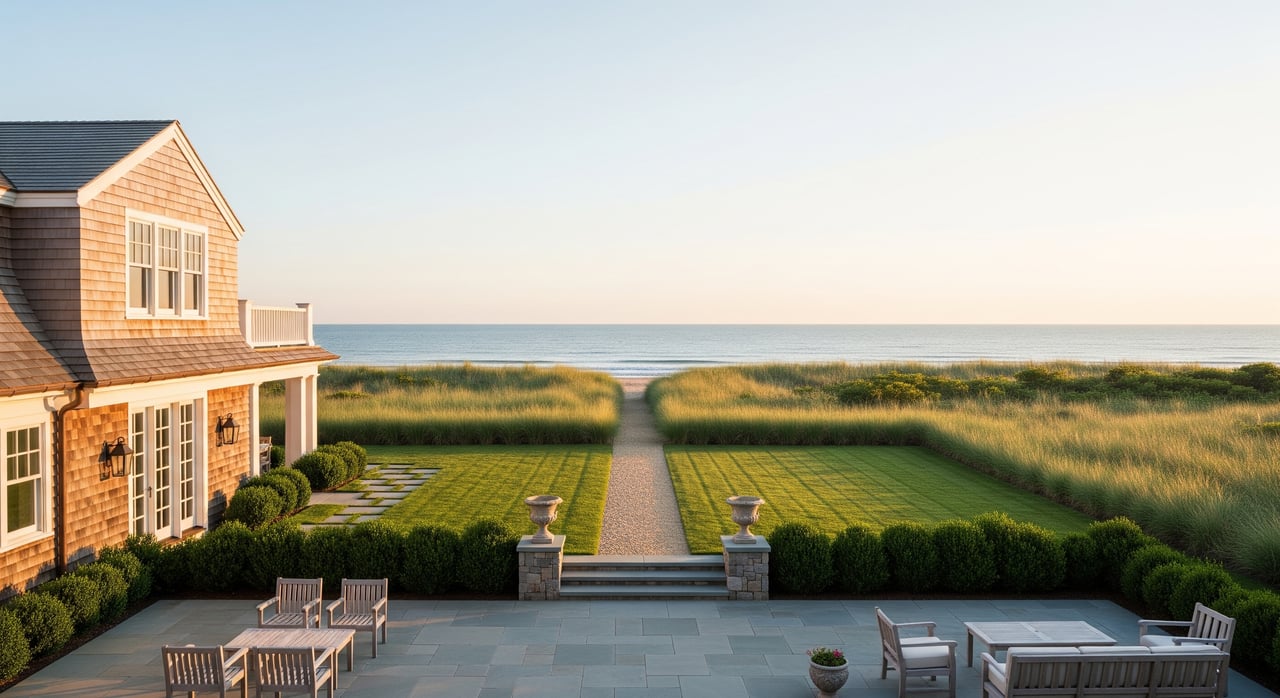
What exactly makes a Sagaponack estate feel like a true Hamptons compound? If you want privacy, room to host, and space to spread out, the definition matters. In this guide, you’ll learn what qualifies as a compound in Sagaponack, how these properties are planned, which rules shape what you can build, and the costs and logistics to expect. You’ll also get a simple checklist to use as you evaluate specific parcels. Let’s dive in.
What a compound means in Sagaponack
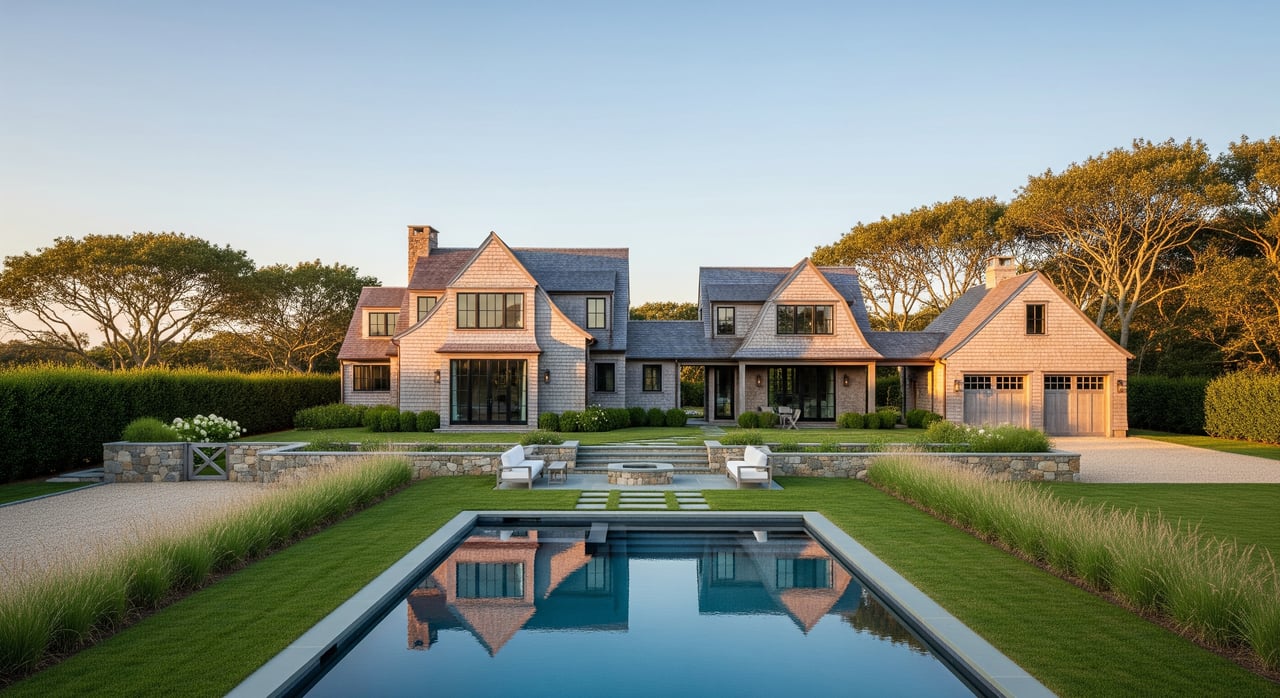
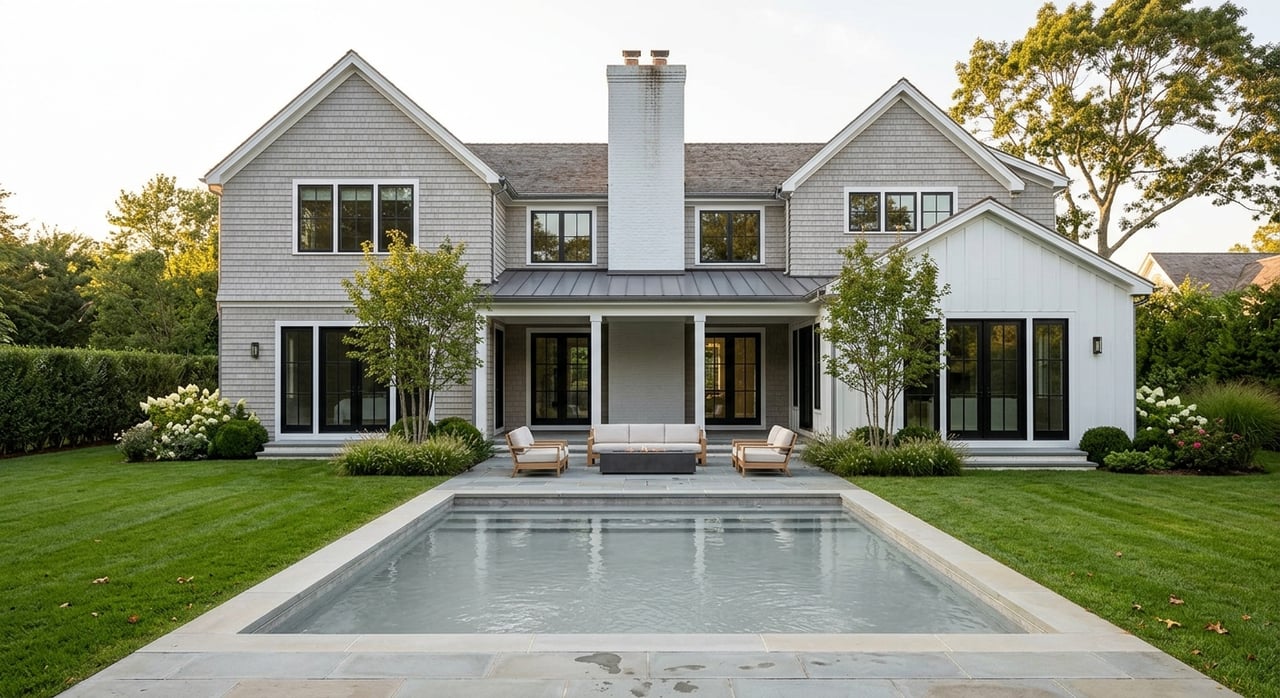
A Hamptons compound typically refers to one estate parcel, or contiguous parcels under single ownership, with multiple habitable structures and extensive outdoor amenities planned as a cohesive estate. You’re looking at a main residence paired with one or more guest houses or staff cottages, a pool and pool house, and often sports courts and dedicated service areas.
The lifestyle goal is clear: privacy and capacity. Thoughtful setbacks, mature landscaping, and gated entries create seclusion, while independent guest quarters let friends, family, or staff stay comfortably without crowding the main house.
In Sagaponack, compounds often sit on larger lots, many well over an acre and sometimes multiple acres, especially near the ocean. Construction quality is high, with professional landscaping, integrated lighting and security, and site planning that separates private living from entertaining.
Signature elements buyers expect
- Multiple legally habitable structures, such as a guest house or permitted accessory dwelling unit with its own bath and kitchenette.
- A principal house designed for privacy and flow, plus a pool and pool house with changing area, restroom, and a small kitchenette.
- Recreational amenities like tennis or pickleball courts set back to reduce noise and sightlines.
- Separate guest circulation: dedicated guest parking, clear pedestrian paths, and an entry sequence that avoids service areas.
- Defined service zones: caretaker or staff housing, detached garages or a carriage house, and service drives screened from guest spaces.
- Mature landscaping, hedges, tree lines, berms, and privacy fencing to buffer neighbors and structure-to-structure views.
- Systems planning: private wells or municipal water where available, septic sized for bedroom counts, underground power where feasible, and backup generators.
Site layout and flow
Compounds are planned around zones that balance entertaining with everyday living.
- Principal house: Oriented for privacy, sun, and, where applicable, views and prevailing winds.
- Guest houses and cottages: Close enough for easy access, yet sited for independence. Many are tucked behind the main home or near service drives.
- Pool and pool house: Positioned in a sunny, sheltered area with screening from neighbors and roads.
- Courts and play areas: Placed to one side, away from streets, with setbacks that minimize noise and visibility.
- Service and parking: Garages and service bays near the drive entry so deliveries and staff do not cross guest areas. Guest parking is separate to avoid congestion at the front door.
The guiding principle is clear separation between entertaining zones and private residential zones. Gated entries, setbacks, and heavy planting reduce sightlines and elevate the sense of retreat.
Rules and permits that shape compounds
Sagaponack is an incorporated village within the Town of Southampton. Village and town rules apply, along with Suffolk County and New York State regulations. Expect layered reviews and plan for a measured permitting timeline.
- Zoning and lot coverage: District rules control building footprints, impervious coverage, and where you can place structures. Many estate parcels are low density with larger minimum lot sizes. That supports compounds but does not remove permitting requirements.
- Accessory dwellings: Guest houses, ADUs, or converting accessory structures into habitable units typically require permits. Reviews often include setbacks, septic capacity, and parking. Short-term rental rules and special permits can apply.
- Septic and wastewater: Suffolk County Department of Health Services regulates septic design and capacity based on bedroom counts. Adding bedrooms or new guest houses can trigger deep-hole and percolation tests, septic upgrades, and design approvals. Sensitive areas may require nitrogen-reduction systems.
- Coastal and environmental: Oceanfront or wetland-adjacent properties face additional oversight from New York State and, in some cases, federal agencies. If dunes, wetlands, or Coastal Erosion Hazard Areas are involved, you should expect more permits, mitigation plans, and potential limitations on siting.
- Floodplain and insurance: Many coastal parcels fall in FEMA flood zones. Elevation certificates, compliance with base flood elevations, and floodproofing can affect both design and cost. Insurance needs often include flood and wind coverage.
- Conservation and easements: Deed restrictions or conservation easements can limit future building, expansion, or subdivision. A careful title review is essential.
- Special events: Large-scale hosting may require special event permits, noise and traffic plans, and limits on overnight occupancy.
- Timeline: Multiple jurisdictions can extend review periods. A local architect or engineer with Hamptons experience helps reduce surprises and keeps sequencing on track.
Costs and market context
Sagaponack is one of the Hamptons’ highest-value communities. True compounds are scarce because large contiguous parcels with permissions for multiple structures are limited. That scarcity, alongside proximity to the ocean and privacy, supports premium pricing.
Key value drivers include lot size, privacy, ocean proximity and view potential, permitted square footage, quality of construction, and amenities like beach rights, courts, and staff housing. Entitlements matter: permitted guest houses and approved septic capacity can materially enhance value.
Budget beyond the purchase price:
- Property taxes: Estate-level assessments in Suffolk County can be significant. Review current assessments and projected changes.
- Insurance: Homeowners, flood, wind or hurricane, and umbrella liability are common. Event hosting can change liability needs.
- Operations and maintenance: Plan for groundskeeping, pool and court care, irrigation, security, seasonal services, and staff or property management.
On resale, compounds attract a focused buyer pool that values privacy and hosting. Scarcity supports valuations, though time to sell can lengthen in slower markets.
Buyer due diligence checklist
- Site and title
- Confirm lot lines, easements, covenants, and restrictions. Verify whether contiguous parcels are combined or can be combined.
- Obtain a current survey showing structures, setbacks, and footprints.
- Permits and entitlements
- Verify which structures are permitted and whether additions were permitted or are legally preexisting. Map out required village, town, county, and state approvals for any planned work.
- For waterfront or dune-adjacent parcels, confirm coastal and wetland permitting requirements early.
- Septic, water, and utilities
- Order septic tests and confirm system capacity versus total bedrooms. Understand what upgrades are required for guest houses.
- Confirm water source and test quality if using a private well.
- Check electrical service capacity for generators, pools, and expanded kitchens. Confirm fiber or cable availability and bandwidth needs.
- Flood and insurance
- Check FEMA flood maps and obtain any available elevation certificates. Get early quotes for flood, wind, and umbrella coverage.
- Neighborhood and use
- Confirm local rules on noise, events, and rentals. For oceanfront parcels, verify the type of beach access and any seasonal restrictions.
- Financial and operations
- Build a realistic operating budget for landscaping, pool and court maintenance, security, and staff. Set aside capital for septic upgrades, pool reconstruction, or landscape overhauls if needed.
Your team and timeline
A successful compound project in Sagaponack depends on the right local team and a clear sequence.
- Engage a local architect and landscape architect with Hamptons and coastal experience for zoning fit, siting, and cost reality.
- Retain a builder with comparable estate work who understands seasonality, lead times, and coastal construction details.
- Use a local real estate attorney to review title, easements, conservation restrictions, and approvals.
- Start early with village and town building departments, Suffolk County Department of Health Services, and state environmental agencies where applicable. Early coordination often shortens the overall timeline.
How I can help
I guide buyers through high-stakes Sagaponack decisions every day, from identifying parcels with the right entitlements to coordinating local architects, engineers, and attorneys. If you want a compound that balances privacy, hosting, and long-term value, I can curate on and off-market opportunities and help you plan the approvals path with confidence.
Ready to map your search or review a specific property’s potential? Reach out to Geoff Gifkins for a private consultation.
FAQs
What defines a Hamptons compound in Sagaponack?
- A single estate parcel or combined parcels with multiple habitable structures, privacy-focused site planning, and amenities like a pool, pool house, and courts.
How large should a Sagaponack lot be for a compound?
- There is no formal statewide minimum, but many compounds sit on multiple acres or at least enough land to support multiple buildings, amenities, and significant setbacks under local zoning.
Can I add a guest house on an existing Sagaponack property?
- Possibly, but you need approvals for zoning and setbacks, proof of septic capacity, and permits through village, town, and county reviews.
What hidden costs come with compounds near the coast?
- Septic upgrades, coastal permitting, flood and wind insurance, and higher maintenance for landscaping, pools, and courts are common and sometimes underestimated.
Do flood zones affect design and insurance in Sagaponack?
- Yes. Many coastal parcels sit in FEMA flood zones, which can require elevation certificates, floodproofing, and specific insurance coverage that impacts design and cost.