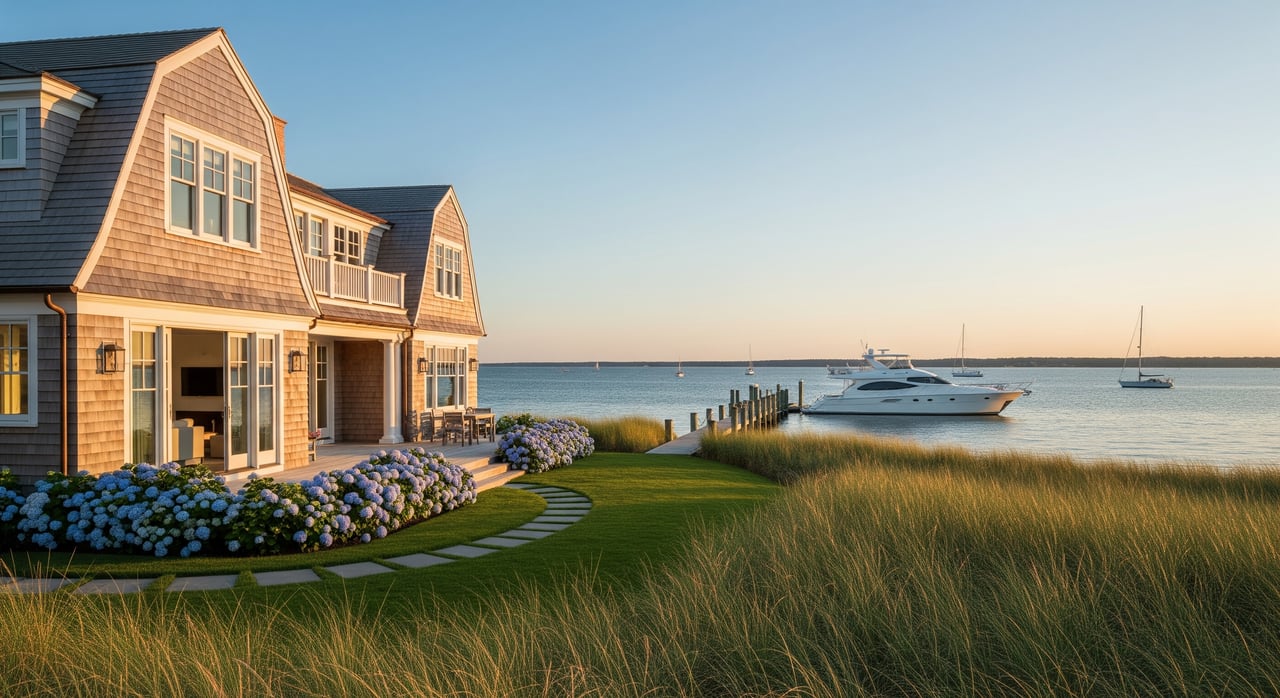
Southampton Micro Markets: Village, North Sea & Bayfront
December 4, 2025
December 4, 2025
Trying to choose between Southampton Village, North Sea waterfronts, or the bayfront enclaves? Each area offers a different rhythm, from walkable Main Street living to dune-side privacy or sunset views over calm water. You want the right fit for your lifestyle and a smart long-term play. In this guide, you’ll compare character, housing types, and value drivers, and learn the practical factors that often tip the scales, like flood risk, zoning, rentals, taxes, schools, and commute options. Let’s dive in.
| Micro-market | Core vibe | Typical housing | Key trade-offs |
|---|---|---|---|
| Village streets | Walkable, historic, close to shops and dining | Historic cottages, renovated Colonials, some condos | Smaller lots, preservation rules, premium for walkability |
| North Sea waterfronts | Ocean proximity, dune landscape, quieter feel | Beach cottages, mid-century, modern oceanfront rebuilds | Coastal hazards, flood insurance, strict coastal permits |
| Bayfront enclaves | Calm-water boating, marinas, sunsets | Estates and ranches, bungalows, homes with docks | Tidal regulations, dock and bulkhead permits, boating upkeep |
Boundaries are approximate and based on local hamlet descriptions rather than strict legal lines.
You get Main Street convenience, cultural amenities, and strong seasonal energy with year-round services. If you value walking to shops, galleries, and events, this is the highest on-foot convenience of the three.
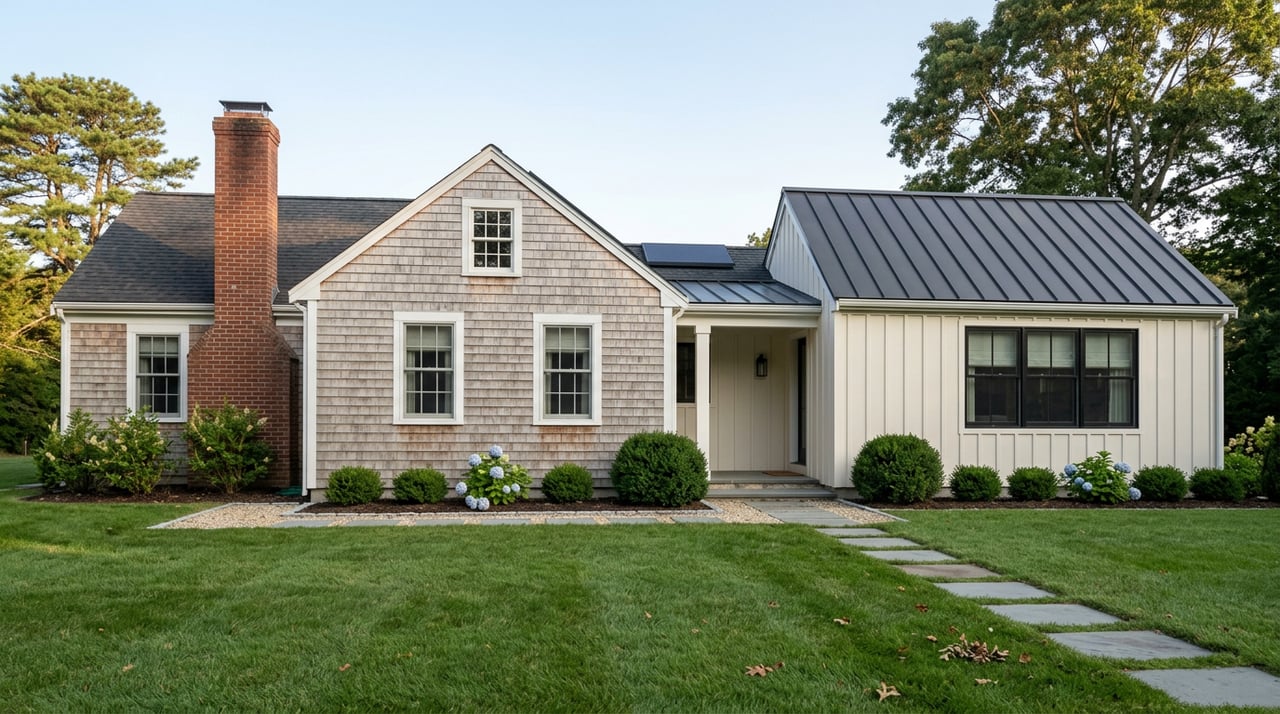
Expect a mix of historic cottages, renovated Colonial and Greek Revival homes, and newer infill. Lots are smaller near the core, with some multifamily and condo options closer to downtown.
You typically see a premium on a per-square-foot basis for walkability, historic character, and proximity to the beaches and village life.
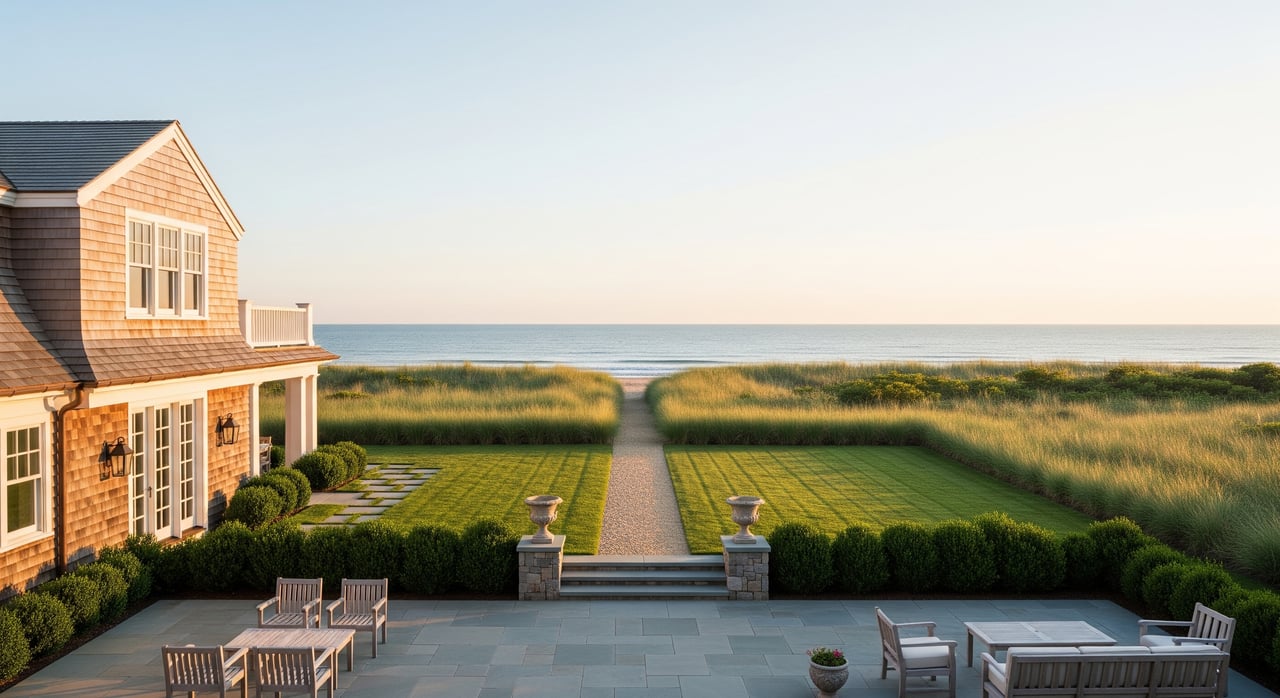
These neighborhoods lean coastal-residential with a focus on waterfront access, scenic views, and a more secluded feel. Seasonal use is common, though many owners live year-round.
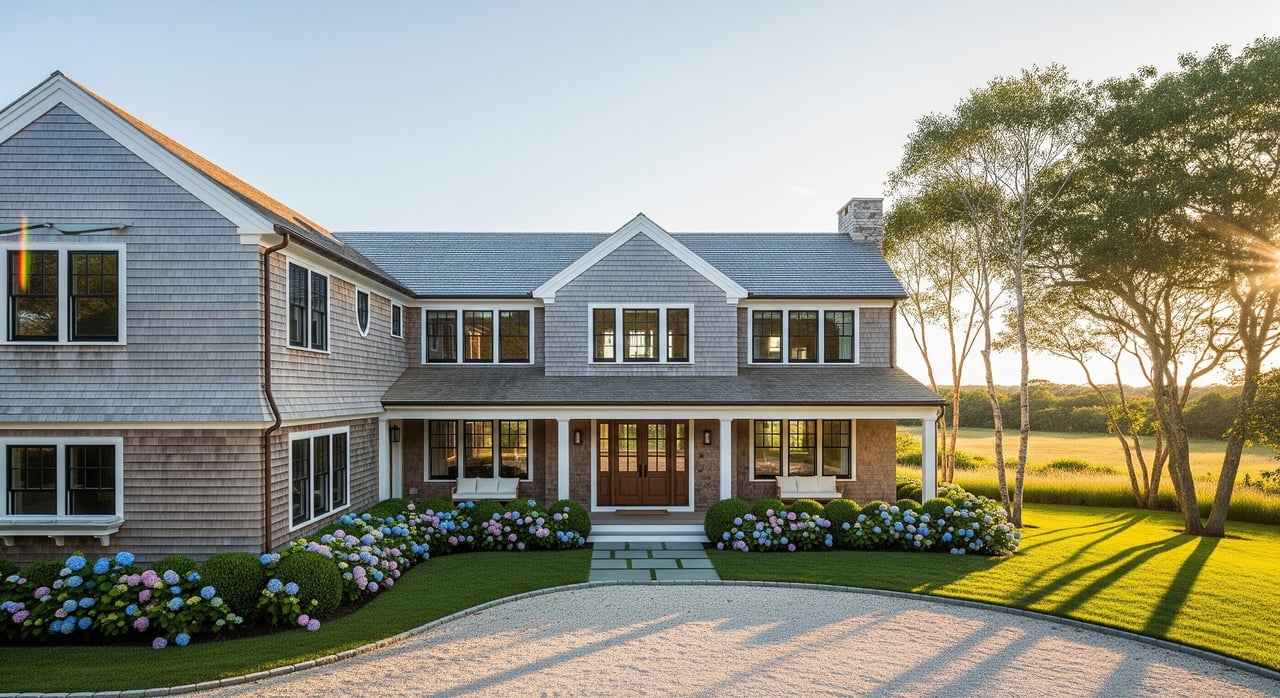
You’ll find beach cottages, mid-century homes, and contemporary ocean-facing rebuilds. Lots range from narrow waterfront parcels to larger acreages set back from the dunes.
Direct oceanfront or dune-adjacent parcels command a notable premium due to rarity and access. Interior locations can be more moderate while still offering coastal proximity.
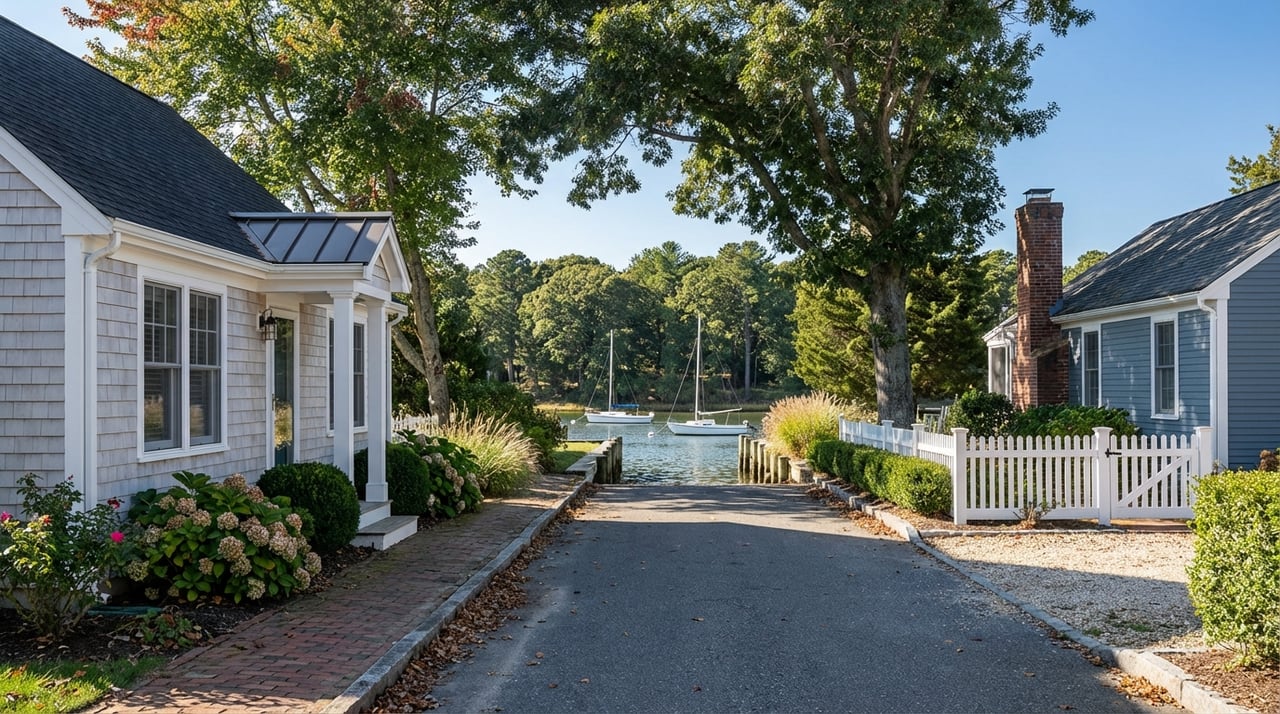
Bay-facing neighborhoods center on calm-water recreation, marinas, fishing, and wide-open sunset views. Many properties back to Shinnecock or Southampton Bay and offer a more private feel.
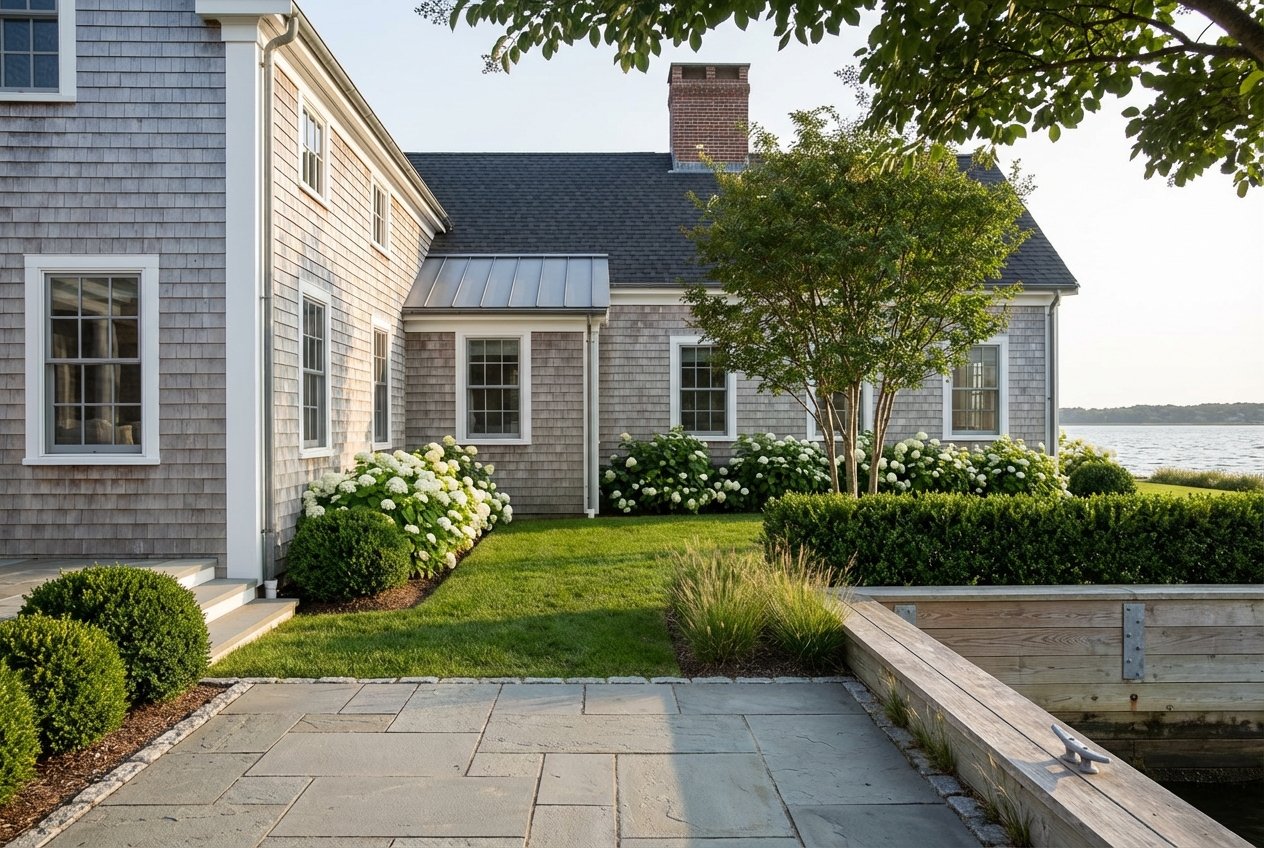
Housing ranges from waterfront bungalows and renovated mid-century ranches to larger estates with docks, shared slips, and bay-facing infrastructure like bulkheads and piers.
Bayfront lots typically trade at a premium to inland homes but can be lower per square foot than prime oceanfront. Larger parcels often deliver more space and acreage at comparable budgets.
Many coastal parcels fall within Special Flood Hazard Areas that trigger insurance and elevation requirements. Use the FEMA Flood Map Service Center to look up parcel-level zones and base flood elevations. Flood risk is dynamic, so review recent events and consider elevation certificates when getting quotes. Start with the official FEMA lookup using the FEMA Flood Map Service Center.
Zoning, setbacks, height limits, and lot coverage vary by district. Coastal, dune, and shoreline protections often layer on additional approvals, and historic overlays in the Village can guide exterior work. For septic, many areas rely on onsite systems and local programs may exist to upgrade aging systems.
Rules for short-term rentals across the Hamptons have tightened, with registration, occupancy, and tax compliance requirements in many areas. Before modeling rental income, confirm what is permitted at the parcel level.
Suffolk County and Town assessments contribute to carrying costs that vary by school and special districts. Always review a current tax bill and confirm district-specific rates.
School district boundaries and tax rates can vary by address, so verify district alignment during due diligence. For commuting, the LIRR Montauk Branch, local roads, and private shuttles offer options that change with seasonal traffic.
For up-to-date pricing and trend context, consult local MLS data and recognized broker research. Seasonal shifts can be significant in the Hamptons, so rely on recent comps and current listing velocity.
Use a layered map to pressure-test location fit and specific property risks.
Useful resources for map layers and lookups include the Town of Southampton GIS and planning resources, Suffolk County GIS, and the FEMA Flood Map Service Center.
Bring this list when you evaluate homes in any Southampton micro-market:
If you crave walkability and a historic streetscape, focus on Village addresses. If your priority is ocean access and a quieter coastal experience, explore North Sea waterfronts. If you want boating, privacy, and more land for the budget, the bayfront enclaves often deliver a compelling mix. Your best decision blends lifestyle fit with parcel-level diligence on flood, zoning, permits, and taxes.
When you are ready to compare on-the-ground options or want a curated short list with recent comps, permits, and carrying cost models, connect with a local advisor who pairs neighborhood expertise with data-backed guidance. For confidential help and access to exclusive inventory, reach out to Geoff Gifkins.
Stay up to date on the latest real estate trends.

Etiam non quam lacus suspendisse faucibus interdum. Orci ac auctor augue mauris augue neque. Bibendum at varius vel pharetra. Viverra orci sagittis eu volutpat.