Waterfront Vs Covefront Living In Noyack

December 18, 2025

Do you picture wide-open bay views with sailboats crossing the horizon, or a quiet inlet where you can slip a kayak into calm water at sunrise? If you are weighing a Noyack waterfront purchase, that choice often comes down to bayfront versus covefront living. Each setting delivers a different rhythm of life on the water, with unique boating access, privacy, maintenance, and permitting considerations. In this guide, you will learn the key trade-offs so you can match your property to your lifestyle and comfort level with coastal ownership. Let’s dive in.

Noyack waterfront basics

Noyack, sometimes spelled Noyac, sits on the north shore of the South Fork near Sag Harbor in the Town of Southampton. You find two primary shoreline types here:

  • Bayfront (open-water) facing larger embayments with longer sightlines, deeper water, and more exposure to wind and boat traffic.
  • Covefront (protected inlets and creeks) along narrower channels, marsh edges, and back-bays with shallower depths and calmer water.

Nearby Sag Harbor offers restaurants, shops, marinas, and harbor services, which adds convenience for second-home owners who want easy access to provisions and a low-key village scene between outings on the water.

Boating and water access

Bayfront access

Bayfront properties usually offer deeper water close to shore and faster access to main channels and open bay. If you prioritize larger powerboats, sailing, or quick day trips, this setting often fits best. You still need to confirm depth at mean low tide, mooring or slip options, and any speed or no‑wake restrictions along your approach.

Covefront access

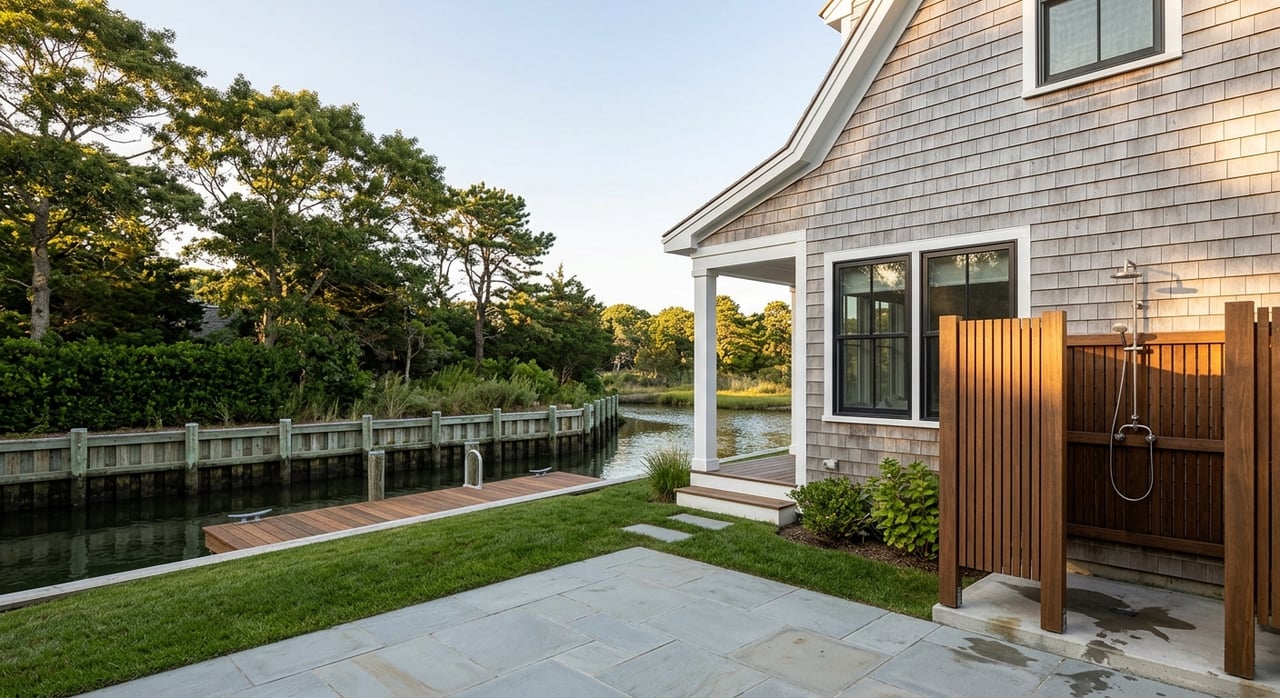
Covefront shorelines tend to be shallower and more sheltered, which makes them ideal for kayaks, paddleboards, small skiffs, and shallow‑draft boats. Some coves experience tidal shoaling, and a few require timing transits at higher tides. If your boating centers on paddling, fishing, and exploring quiet inlets, protected water can be a daily pleasure.

Due diligence to confirm

  • Ask the local harbormaster about channel depths, moorings, and seasonal rules.
  • Hire a marine surveyor or licensed captain for soundings if boat access is a priority.
  • Verify private dock rights, existing permits, or slip availability at nearby marinas.

Views and scenic character

Bayfront vistas

Open-water frontage delivers wide panoramas, big sky, and long sunset sightlines. You see sailboats and activity on the horizon, which many buyers find energizing and cinematic.

Covefront atmosphere

Protected inlets offer intimate, nature-forward views with marsh edges, tree lines, and easy wildlife watching. If you want a quiet morning coffee with egrets and herons nearby, covefront can be hard to beat.

Privacy and activity levels

Bayfront settings often come with more passing boat traffic and wakes, especially on summer weekends. You gain scale and spectacle but accept more daytime activity. By contrast, covefront areas are generally quieter due to limited access for larger boats. Neighbors can be a bit closer, and you may notice more insect activity near marshlands during warmer months. Walk the shoreline at different times of day and on weekends to get a feel for the cadence you prefer.

Environmental rules and permits

Covefront homes frequently border mapped tidal wetlands, which carry stricter environmental protections. That can mean tighter rules on dock size, setbacks, vegetation removal, and shoreline hardening. Bayfront properties still require coastal permits for docks, bulkheads, and seawalls, but may face fewer wetlands constraints where marsh is absent.

Before planning any work, consult:

  • Town of Southampton Building, Marine, and Harbor offices for local coastal rules.
  • NYS Department of Environmental Conservation for tidal-wetlands and coastal permits.
  • U.S. Army Corps of Engineers for permits in navigable waters for larger structures.

Early conversations with these offices help set realistic expectations about what is allowed on a given parcel.

Maintenance, resilience, and insurance

Bayfront exposure

With larger fetch and wave energy, bayfront lots can experience faster bulkhead wear, erosion, and more frequent maintenance. Insurance premiums for homeowners and flood coverage may be higher when structures sit closer to open water and face stronger wave action.

Covefront dynamics

Covefront shorelines see less wave energy but can accumulate sediment over time or experience marsh migration. That can influence dock usability and setbacks. Marshes can buffer wave action, but protection comes with environmental obligations.

What to verify

  • FEMA flood zone designation and base flood elevation, which affect flood insurance.
  • History of shoreline repairs and permits for any bulkhead or dock.
  • Insurance quotes for homeowners and flood coverage at the specific address.

Everyday convenience

Bayfront homes often orient toward the water first, with driveways and street access set back. Covefront homes are commonly found along quieter residential streets, and you may be closer to amenities while still reaching marinas with a short drive. If you expect frequent guests or plan to host, confirm parking, driveway logistics, and launch options at public ramps or marinas.

Costs that differ by shoreline

  • Dock and mooring: Deeper-water bayfront docks can require larger pilings and stronger systems, which increase installation costs. Cove docks sometimes need more frequent adjustments or dredging if sediment accumulates.
  • Bulkhead and seawall maintenance: Typically higher on exposed bayfronts due to wave energy and storm surge effects.
  • Insurance: Flood and homeowners premiums often rise with exposure to open water and proximity to the waterline.
  • Shoreline stabilization: Weigh soft-shore solutions, where appropriate, against hard-armoring. Permits guide what is feasible.
  • Operating costs: Budget for marina or mooring fees if not using a private dock, boat winterization, and septic maintenance consistent with Suffolk County rules.

Title and legal checks

  • Confirm riparian rights and whether dock access is included in the deed or via a separate easement.
  • Check for public rights-of-way or access easements along the shore that could affect privacy.
  • Ask about conservation or historic easements, especially along marsh edges.
  • Review local records for wetlands and setback restrictions that may guide renovations or new structures.

Due diligence checklist

Use this quick list as you evaluate a Noyack waterfront property:

  1. Obtain a recent survey showing the mean high-water line and lot configuration.
  2. Commission depth soundings or review local chart notes for your shoreline and channel approach.
  3. Confirm your FEMA flood zone and base flood elevation, and ask about any pending map updates.
  4. Verify existing dock and bulkhead permits with the Town of Southampton and NYSDEC.
  5. Speak with the local Harbor Master about moorings, no-wake zones, and seasonal patterns.
  6. Contact Suffolk County Department of Health Services for septic and coastal wastewater requirements.
  7. Request insurance quotes early for homeowners and flood policies at the exact address.
  8. Ask neighbors or marina operators about sedimentation and storm history.
  9. Confirm utility access and off-season road maintenance.
  10. Review zoning, setbacks, and height limits for planned renovations or dock replacement.

How to choose your fit

  • If you want frequent powerboating or sailing with the fastest route to open water and big views, bayfront living is a strong match. Just budget for higher exposure and maintenance.
  • If you prefer calm-water paddling, nature-forward views, and a quieter setting, covefront living usually wins. Confirm depths, transit windows, and any wetlands constraints.

Market value and resale vary by buyer profile. In practice, functional access, compliant permits, usable dock or mooring, and insurance profile often matter more than whether a parcel is labeled bayfront or covefront.

Work with a local guide

Coastal properties reward thorough planning. Start by talking with the Town of Southampton and the Harbor Master, line up a marine surveyor for depth checks, and secure insurance quotes tied to the address. If you want an experienced partner who understands the nuances of Noyack and the Sag Harbor corridor, connect for a confidential conversation. Request a private consultation or instant home valuation with Geoff Gifkins.

FAQs

What is the difference between bayfront and covefront in Noyack?

  • Bayfront faces open water with deeper access and wide views, while covefront sits on protected inlets with calmer water, shallower depths, and more intimate, nature-focused scenery.

Is bayfront better for powerboating around Sag Harbor?

  • Yes, bayfront typically offers deeper water and faster access to main channels for larger powerboats and sailing, but you should still confirm depth, mooring options, and local speed rules.

Are covefront homes good for kayaking and wildlife watching?

  • Generally yes, protected coves are calmer for paddling and offer richer shoreline habitat where you can see shorebirds and other wildlife at close range.

How do dock permits differ for covefront versus bayfront in Southampton?

  • Covefront parcels often border tidal wetlands with stricter rules on docks and setbacks, while bayfront still requires coastal permits but may have fewer wetlands constraints where marsh is absent.

Will choosing a covefront lot hurt resale value in the Hamptons?

  • Resale depends on buyer priorities; practical factors like compliant permits, usable dock or mooring, depth, and flood zone often influence value more than the shoreline label.

What insurance should I expect for Noyack waterfront homes?

  • You will likely need homeowners and flood policies, with premiums influenced by FEMA flood zone, base flood elevation, and exposure to open water or wave energy.

How big a boat can I keep at a Noyack covefront property?

  • It depends on channel depth, tidal range, and mooring rules; confirm with depth soundings and the local Harbor Master before you commit to a vessel size.

Work With Us

Etiam non quam lacus suspendisse faucibus interdum. Orci ac auctor augue mauris augue neque. Bibendum at varius vel pharetra. Viverra orci sagittis eu volutpat.